
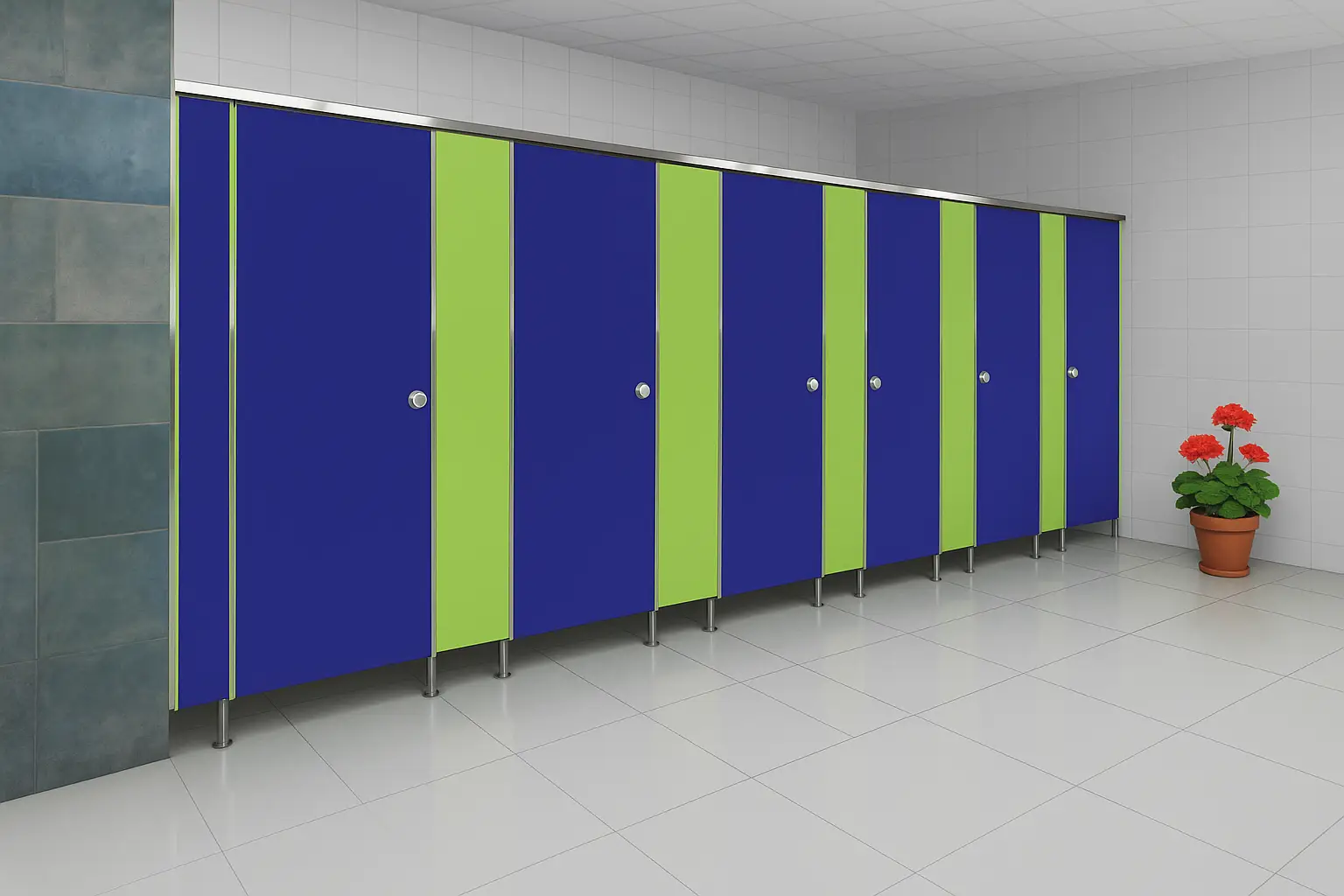
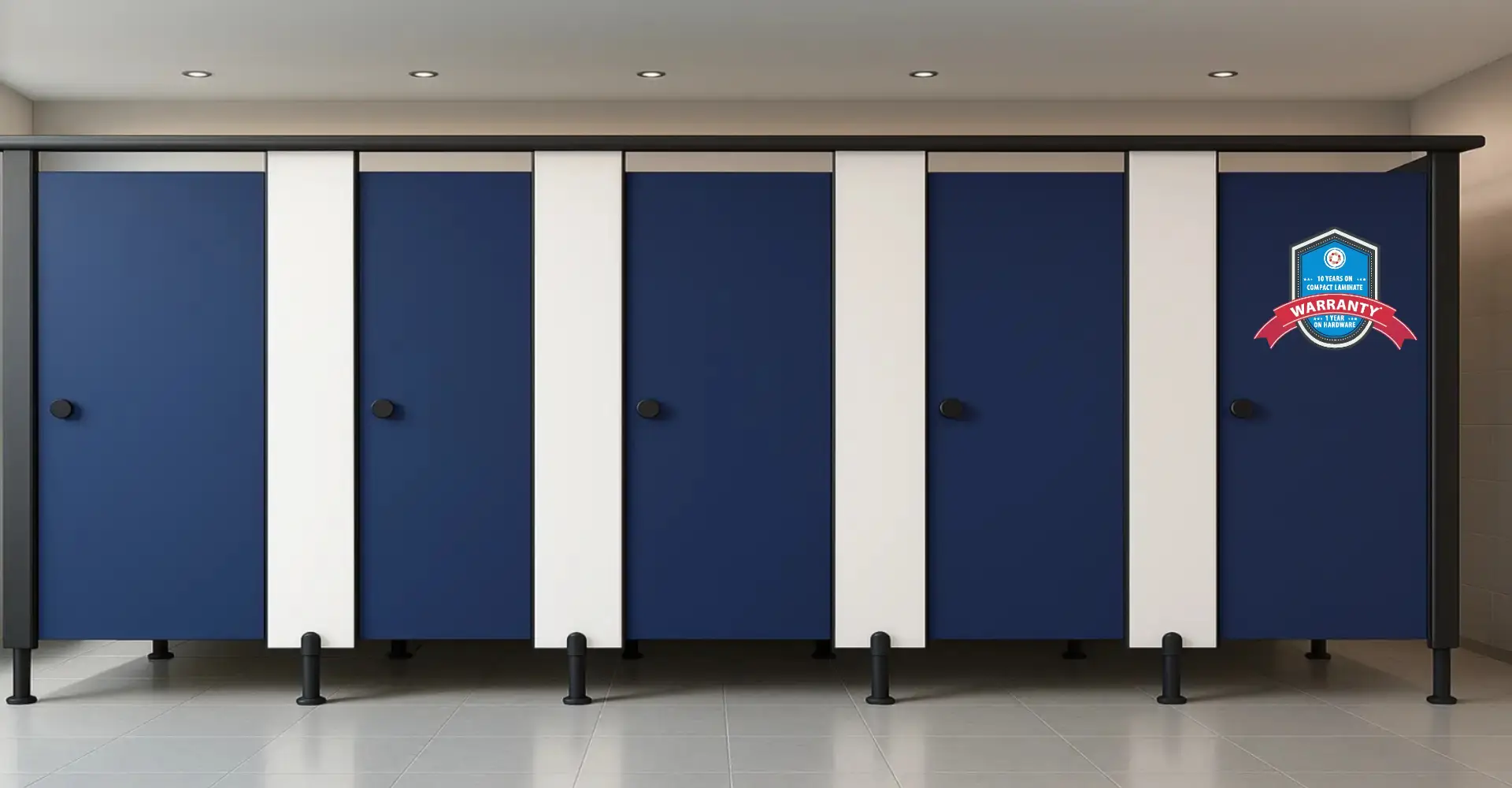
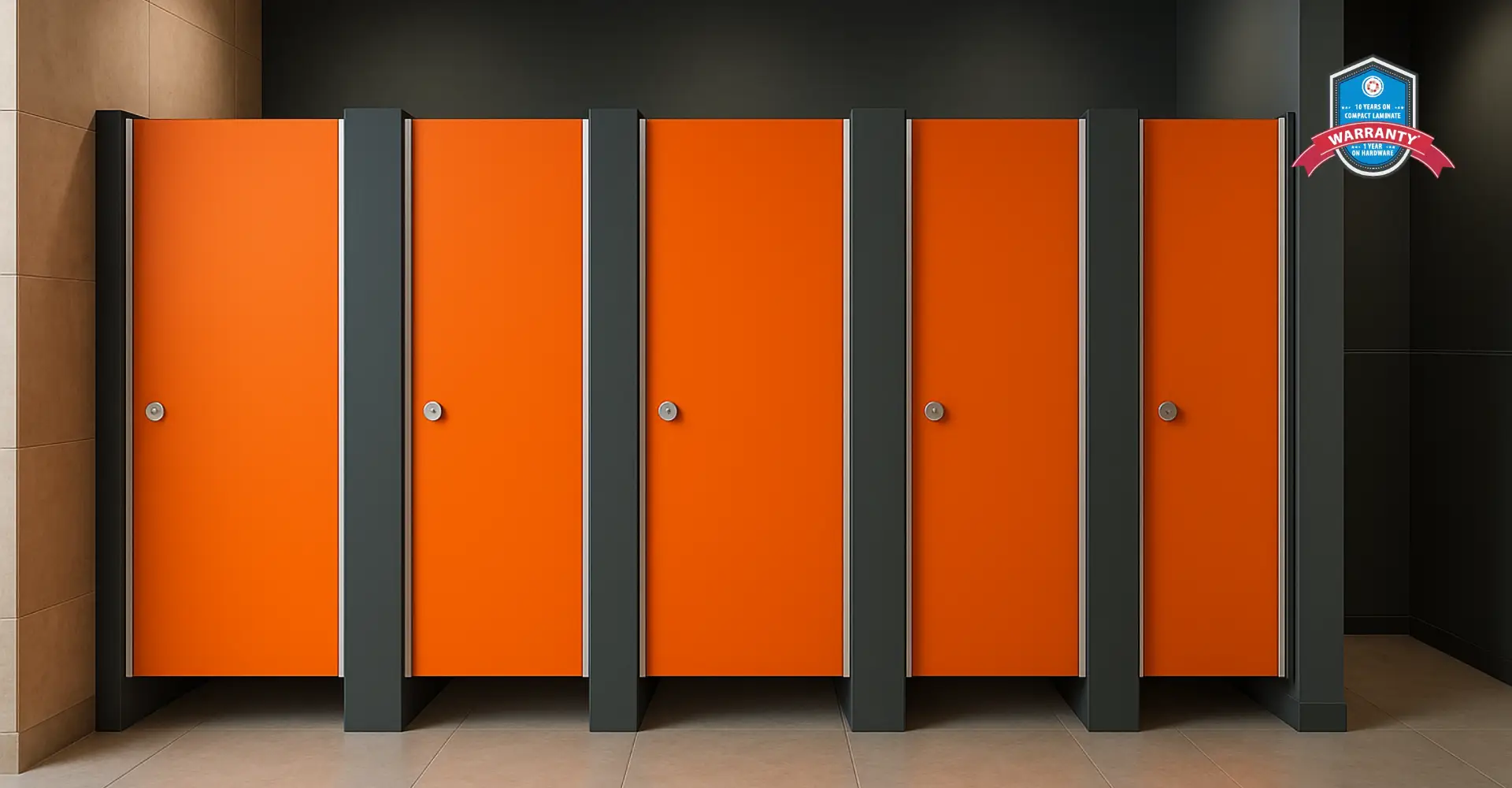
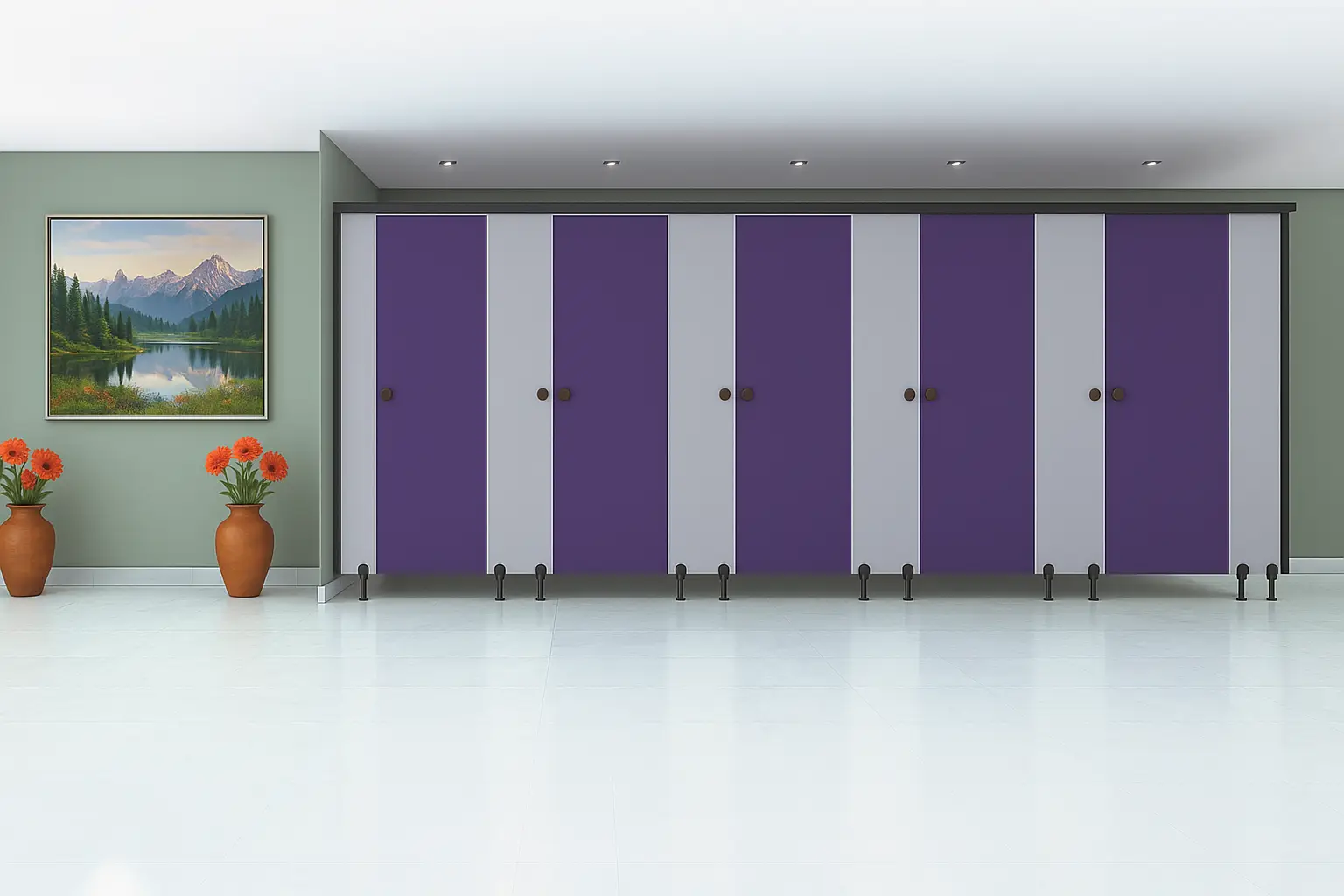
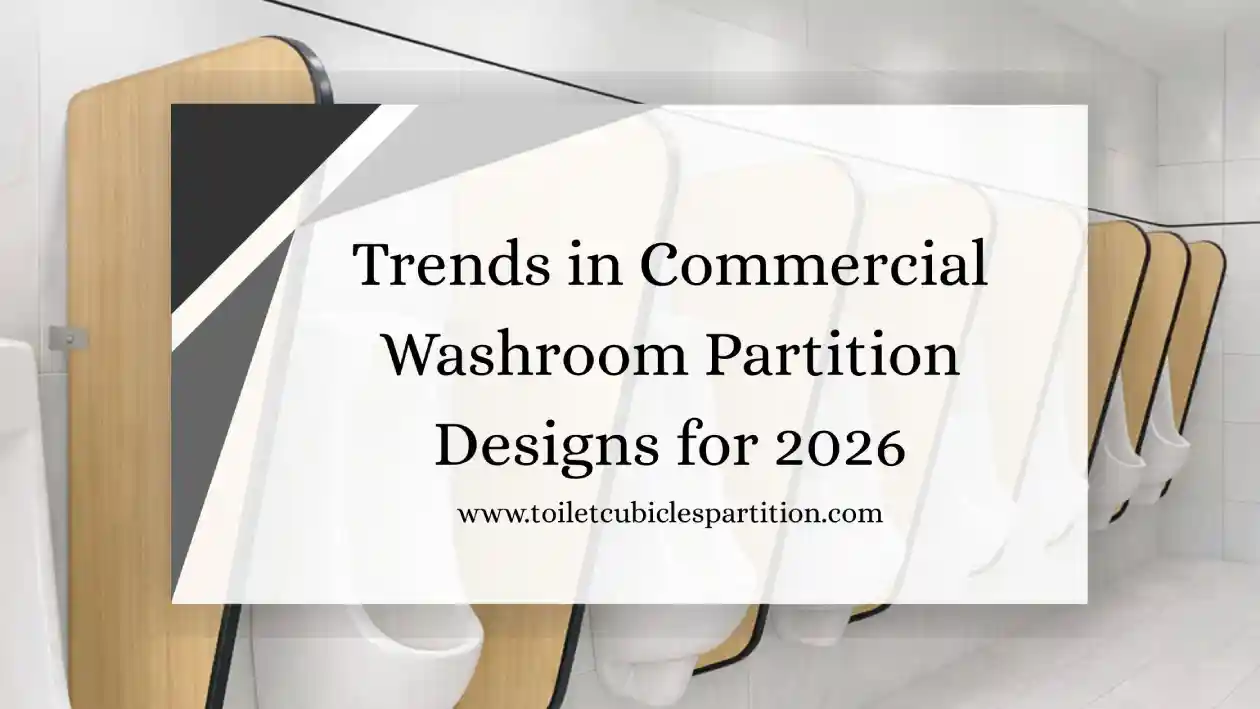
Commercial washrooms have evolved far beyond being purely functional spaces. In 2026, they are now seen as an extension of a brand’s identity, reflecting hygiene standards, design sensibilities, and user experience priorities. One of the most critical elements shaping this transformation is the toilet cubicle partition system.
At Ryka Restroom, we specialize in designing and delivering high-quality restroom partition solutions that combine durability, aesthetics, and functionality. As commercial spaces continue to modernize, understanding the latest trends in washroom partition design becomes essential for architects, facility managers, and business owners.
This article explores the top trends shaping toilet cubicle partition designs in 2026 and how they are redefining commercial washroom spaces.
The Rising Importance of Washroom Design in Commercial Spaces
In the past, washrooms were often overlooked in commercial architecture. Today, they are considered a key part of customer experience. Whether it is a corporate office, shopping mall, airport, restaurant, or educational institution, the quality of restroom design directly impacts how users perceive the brand.
A well-designed toilet cubicle partition system ensures privacy, hygiene, durability, and ease of maintenance. Businesses are now investing more in premium restroom solutions because they understand that even small details contribute to overall brand reputation.
Trend 1: Minimalist and Sleek Partition Designs
One of the strongest trends in 2026 is minimalism. Clean lines, simple finishes, and clutter-free designs are dominating commercial washrooms.
Modern toilet cubicle partition systems now focus on:
- Slim frames
- Seamless panel designs
- Neutral colour palettes such as grey, white, and beige
- Hidden fittings for a cleaner look
This minimalist approach not only enhances visual appeal but also makes spaces feel larger and more organized.
Trend 2: High-Durability and Moisture-Resistant Materials
Durability has become a top priority in commercial restroom design. High-traffic environments require materials that can withstand constant use, humidity, and cleaning chemicals.
Popular materials for toilet cubicle partition systems in 2026 include:
- Compact laminate boards
- Phenolic panels
- High-pressure laminate (HPL)
- Solid-grade boards
These materials offer excellent resistance to water, scratches, and impact, making them ideal for long-term commercial use. Businesses are increasingly choosing materials that reduce maintenance costs while ensuring long-lasting performance.
Trend 3: Hygienic and Antibacterial Surfaces
Post-pandemic awareness has permanently changed hygiene expectations. In 2026, hygiene-focused design is no longer optional—it is essential.
Modern toilet cubicle partition systems now feature:
- Antibacterial coatings
- Easy-to-clean surfaces
- Non-porous materials that resist bacterial buildup
- Touch-free or low-contact hardware options
These innovations help maintain cleanliness while improving user confidence in public and commercial restrooms.
Trend 4: Floor-to-Ceiling Partition Systems
Privacy has become a major design consideration. Traditional half-height cubicles are being replaced by floor-to-ceiling toilet cubicle partition systems, which offer complete privacy and a premium experience.
Benefits include:
- Enhanced user privacy
- Better sound insulation
- Improved structural stability
- Modern aesthetic appeal
This trend is especially popular in corporate offices, luxury malls, and premium hospitality spaces.
Trend 5: Customization and Brand Integration
Businesses are now using washroom design as a branding opportunity. Custom-colored panels, branded elements, and unique finishes are becoming more common.
A customized toilet cubicle partition allows businesses to:
- Match corporate branding colours
- Create unique interior themes
- Enhance customer experience
- Differentiate from competitors
This personalization helps transform washrooms into a cohesive part of the overall interior design.
Trend 6: Sustainable and Eco-Friendly Materials
Sustainability is a major focus in 2026 commercial construction. Businesses are actively seeking eco-friendly restroom solutions that reduce environmental impact.
Sustainable toilet cubicle partition materials include:
- Recycled composite boards
- FSC-certified wood panels
- Low-emission manufacturing materials
- Reusable and recyclable components
Eco-friendly designs not only support environmental goals but also improve brand reputation among environmentally conscious customers.
Trend 7: Smart Washroom Integration
Technology is entering every aspect of commercial infrastructure, including washrooms. Smart washroom systems are becoming more common in premium spaces.
Modern toilet cubicle partition setups may integrate:
- Occupancy sensors
- Automated ventilation systems
- Smart lighting
- Maintenance alerts for facility management
These innovations improve efficiency, reduce maintenance costs, and enhance user experience.
Trend 8: Enhanced Privacy Hardware and Fittings
Small details make a big difference in washroom design. In 2026, hardware improvements are playing a significant role in enhancing functionality.
New-age toilet cubicle partition systems include:
- Soft-close hinges
- Anti-vandal locks
- Concealed fittings
- Rust-resistant fixtures
These improvements ensure durability while maintaining a clean and modern appearance.
Trend 9: Compact Designs for Space Optimization
Urban commercial spaces are becoming increasingly compact, requiring efficient use of available space. Designers are now focusing on space-saving toilet cubicle partition layouts that maximize usability without compromising comfort.
Key features include:
- Slim partition walls
- Modular layouts
- Efficient door swing designs
- Multi-user optimized configurations
This trend is especially important for malls, airports, and co-working spaces.
Trend 10: Premium Aesthetic Finishes
Aesthetics are playing a bigger role than ever before. Washrooms are now designed to reflect luxury and attention to detail.
Popular finishes for toilet cubicle partition systems include:
- Wood grain textures
- Matte solid colors
- Stone-inspired finishes
- Metallic accents
These finishes elevate the overall appearance of commercial restrooms, making them more visually appealing and aligned with modern architecture.
How Ryka Restroom Leads the Way
At Ryka Restroom, we understand the evolving needs of commercial washroom design. Our toilet cubicle partition solutions are engineered to meet modern demands for durability, hygiene, aesthetics, and functionality.
We work closely with architects, interior designers, and facility managers to deliver customized restroom solutions that align with brand identity and usage requirements.
From compact office spaces to high-traffic public infrastructure, our solutions are designed to perform under all conditions while maintaining premium aesthetics.
Conclusion
The future of commercial washroom design is being shaped by innovation, sustainability, and user experience. The toilet cubicle partition is no longer just a structural element—it is a critical component of modern interior design.
In 2026, businesses that invest in high-quality, well-designed restroom systems will stand out in terms of brand perception and user satisfaction.
At Ryka Restroom, we continue to lead this transformation with advanced, durable, and stylish partition solutions tailored for modern commercial spaces.
Looking to upgrade your commercial washroom? Contact Ryka Restroom today for premium toilet cubicle partition solutions designed for the future.