
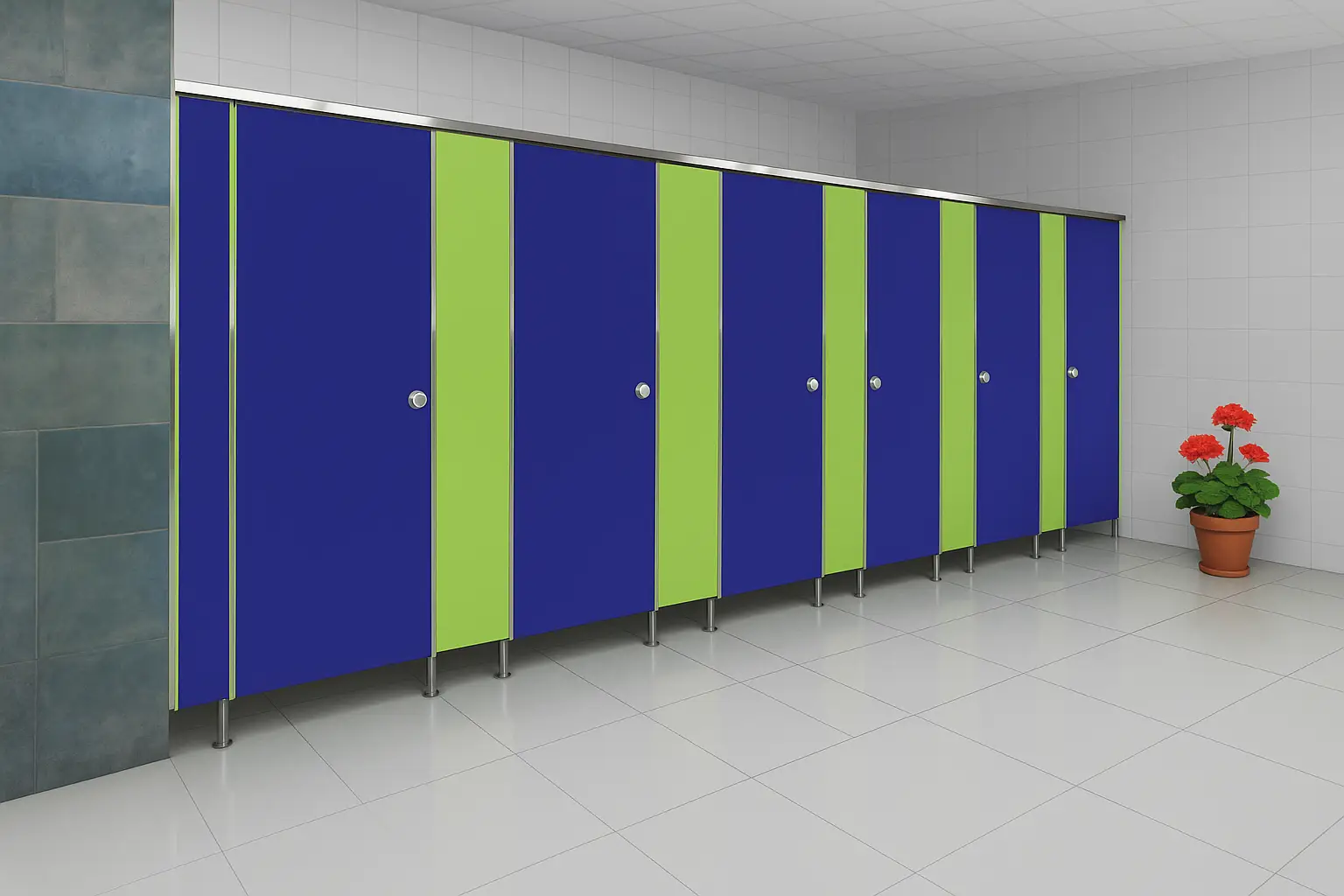
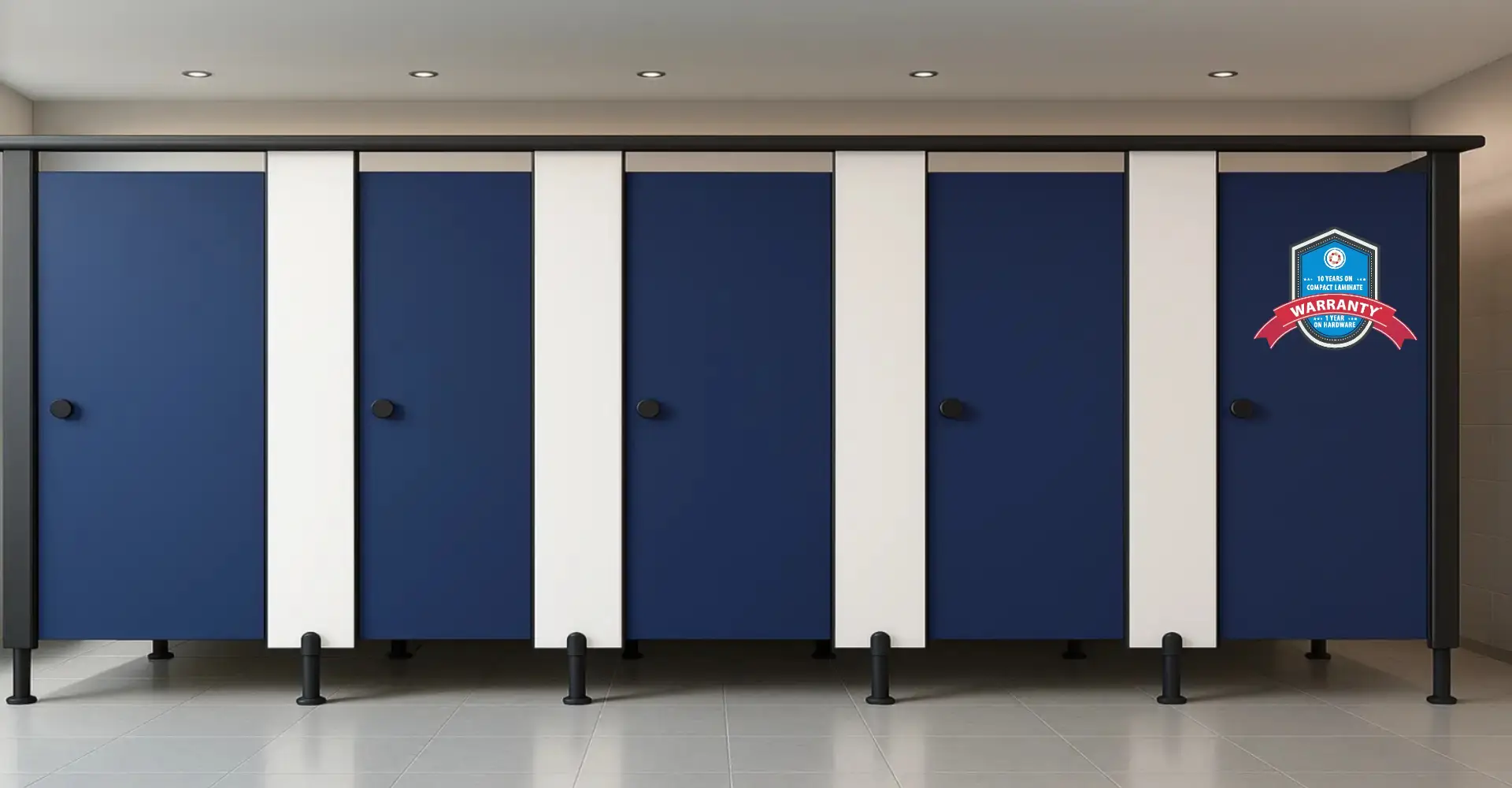
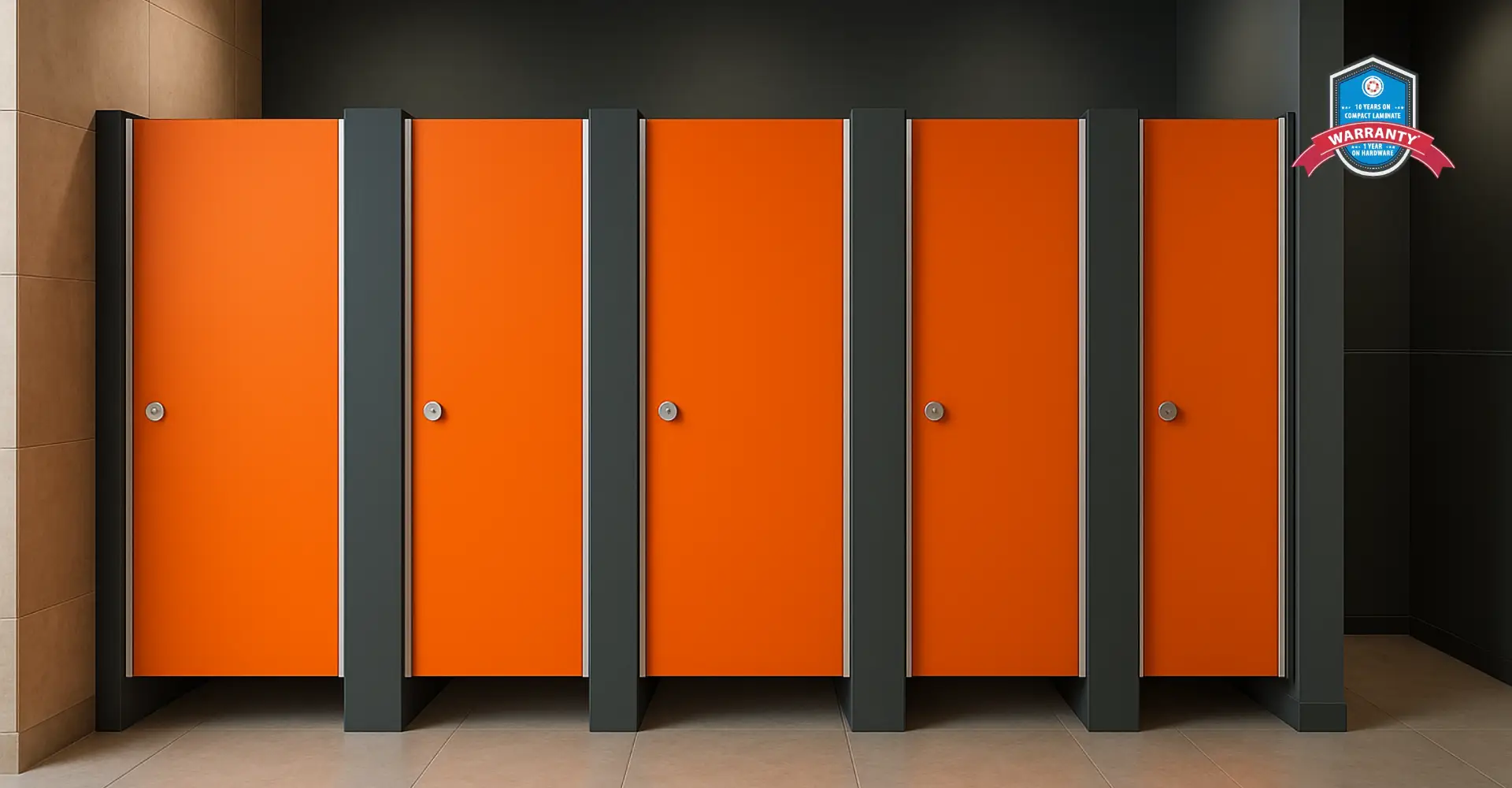
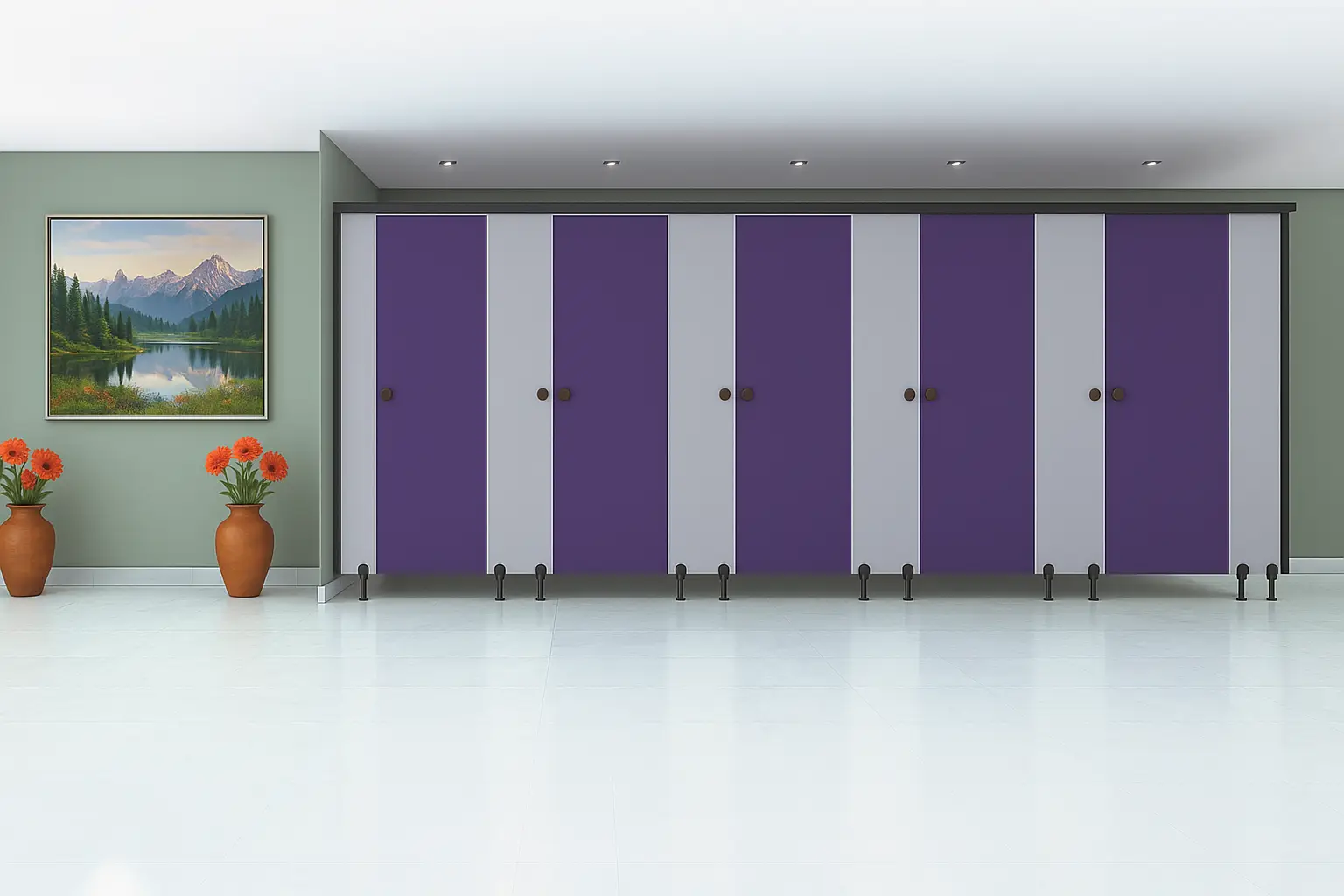
Sustainability has become a defining factor in modern architecture and interior design. As businesses move toward greener infrastructure, even washroom design is evolving to support environmental responsibility. One of the key elements undergoing this transformation is the toilet cubicle partition system used in commercial restrooms.
At Ryka Restroom Cubicle, we are committed to delivering restroom partition solutions that combine durability, design excellence, and environmental sustainability. By using eco-friendly materials and responsible manufacturing practices, we help businesses reduce their environmental footprint without compromising on quality or performance.
This article explores the most sustainable materials used in toilet cubicle partition systems and why eco-friendly choices matter for modern commercial spaces.
Why Sustainability Matters in Restroom Design
Commercial buildings today are expected to meet higher environmental standards than ever before. From green building certifications to corporate sustainability goals, every component of construction plays a role in reducing environmental impact.
Restroom spaces, though often overlooked, contribute significantly to material consumption and maintenance-related waste. Choosing sustainable toilet cubicle partition systems helps reduce:
- Deforestation and raw material wastage
- Carbon emissions from manufacturing
- Water and chemical usage in maintenance
- Long-term environmental degradation
Eco-friendly design is no longer optional—it is a responsibility for modern businesses.
Eco-Friendly Material 1: Compact Laminate Panels
Compact laminate is one of the most widely used sustainable materials in modern toilet cubicle partition systems. It is manufactured using layers of kraft paper and resin, compressed under high pressure and temperature.
Key Benefits:
- Highly durable and long-lasting
- Resistant to moisture, impact, and scratches
- Requires minimal maintenance
- Produced with optimized material efficiency
Because of its long lifespan, compact laminate reduces the need for frequent replacements, making it an environmentally responsible choice for commercial washrooms.
Eco-Friendly Material 2: High-Pressure Laminate (HPL)
High-Pressure Laminate (HPL) is another popular material used in sustainable restroom partitions. It is known for its balance between aesthetics and performance.
Key Benefits:
- Available in a wide range of eco-friendly finishes
- Manufactured with reduced material waste
- Strong resistance to wear and tear
- Lightweight yet durable structure
HPL-based toilet cubicle partition systems are ideal for offices, malls, and hospitality spaces where both design and sustainability are important.
Eco-Friendly Material 3: Recycled Core Boards
Recycled core boards are gaining popularity as businesses focus more on circular economy practices. These boards are made using recycled wood fibers and industrial waste materials.
Key Benefits:
- Reduces dependency on virgin wood
- Supports waste recycling initiatives
- Cost-effective and environmentally friendly
- Suitable for low to medium traffic environments
Using recycled materials in toilet cubicle partition systems significantly reduces environmental impact while maintaining functional performance.
Eco-Friendly Material 4: Aluminum and Stainless Steel Frames
Metal components such as aluminum and stainless steel are essential for structural support in modular systems. These materials are highly sustainable due to their recyclability and long life cycle.
Key Benefits:
- 100% recyclable without quality loss
- Extremely durable and corrosion-resistant
- Long operational lifespan
- Minimal maintenance requirements
These materials enhance the strength and longevity of modern toilet cubicle partition systems while supporting sustainable construction practices.
Eco-Friendly Material 5: Low-VOC Surface Finishes
Volatile Organic Compounds (VOCs) are harmful chemicals often found in paints and coatings. Modern sustainable partitions now use low-VOC or VOC-free finishes.
Key Benefits:
- Improves indoor air quality
- Reduces harmful emissions
- Safer for users and maintenance staff
- Environmentally compliant manufacturing
These finishes make toilet cubicle partition systems safer and more eco-conscious for public and commercial use.
Energy-Efficient Manufacturing Practices
Sustainability is not only about materials—it also involves how products are made. At Ryka Restroom Cubicle, we focus on energy-efficient production methods that reduce environmental impact.
Our manufacturing practices include:
- Optimized material cutting to reduce waste
- Energy-efficient machinery
- Responsible sourcing of raw materials
- Waste recycling during production
These practices ensure that every toilet cubicle partition we produce aligns with green building standards.
Benefits of Eco-Friendly Toilet Cubicle Partitions
Switching to sustainable restroom partition systems offers several long-term advantages for businesses.
Eco-friendly designs help reduce operational costs by lowering maintenance requirements and extending product lifespan. They also enhance brand reputation by demonstrating environmental responsibility.
In addition, sustainable materials contribute to healthier indoor environments, improving user comfort and safety.
Supporting Green Building Certifications
Many commercial projects today aim for certifications such as LEED (Leadership in Energy and Environmental Design). Using sustainable materials in toilet cubicle partition systems can contribute positively toward achieving these certifications.
Key contributions include:
- Use of recycled materials
- Reduced environmental impact
- Energy-efficient manufacturing compliance
- Low-emission finishes
This makes eco-friendly restroom design an important part of modern architectural planning.
Durability Meets Sustainability
A common misconception is that eco-friendly materials compromise durability. In reality, modern sustainable toilet cubicle partition systems are engineered to offer both strength and environmental responsibility.
Advanced materials like compact laminate and aluminum ensure long-term performance even in high-traffic environments such as airports, malls, and corporate offices.
Sustainability today is about building smarter—not weaker.
Why Choose Ryka Restroom Cubicle
At Ryka Restroom Cubicle, we believe that sustainable design is the future of commercial infrastructure. Our toilet cubicle partition systems are developed with a strong focus on eco-friendly materials, long-term durability, and modern aesthetics.
We offer:
- Environmentally responsible material options
- Customizable partition designs
- High durability for commercial use
- Low-maintenance solutions
- Compliance with modern green building standards
Our goal is to help businesses build smarter, greener, and more efficient restroom spaces.
Conclusion
Sustainability is reshaping the future of commercial construction, and restroom design is no exception. Choosing eco-friendly materials for toilet cubicle partition systems is a powerful step toward reducing environmental impact while improving performance and user experience.
From recycled boards to low-VOC finishes and recyclable metals, sustainable innovations are making modern washrooms more efficient and responsible than ever before.
At Ryka Restroom Cubicle, we are proud to lead this transformation with eco-conscious partition solutions designed for the future.
Looking to upgrade your commercial washrooms with sustainable solutions? Contact Ryka Restroom Cubicle today for premium, eco-friendly toilet cubicle partition systems tailored to your project.