
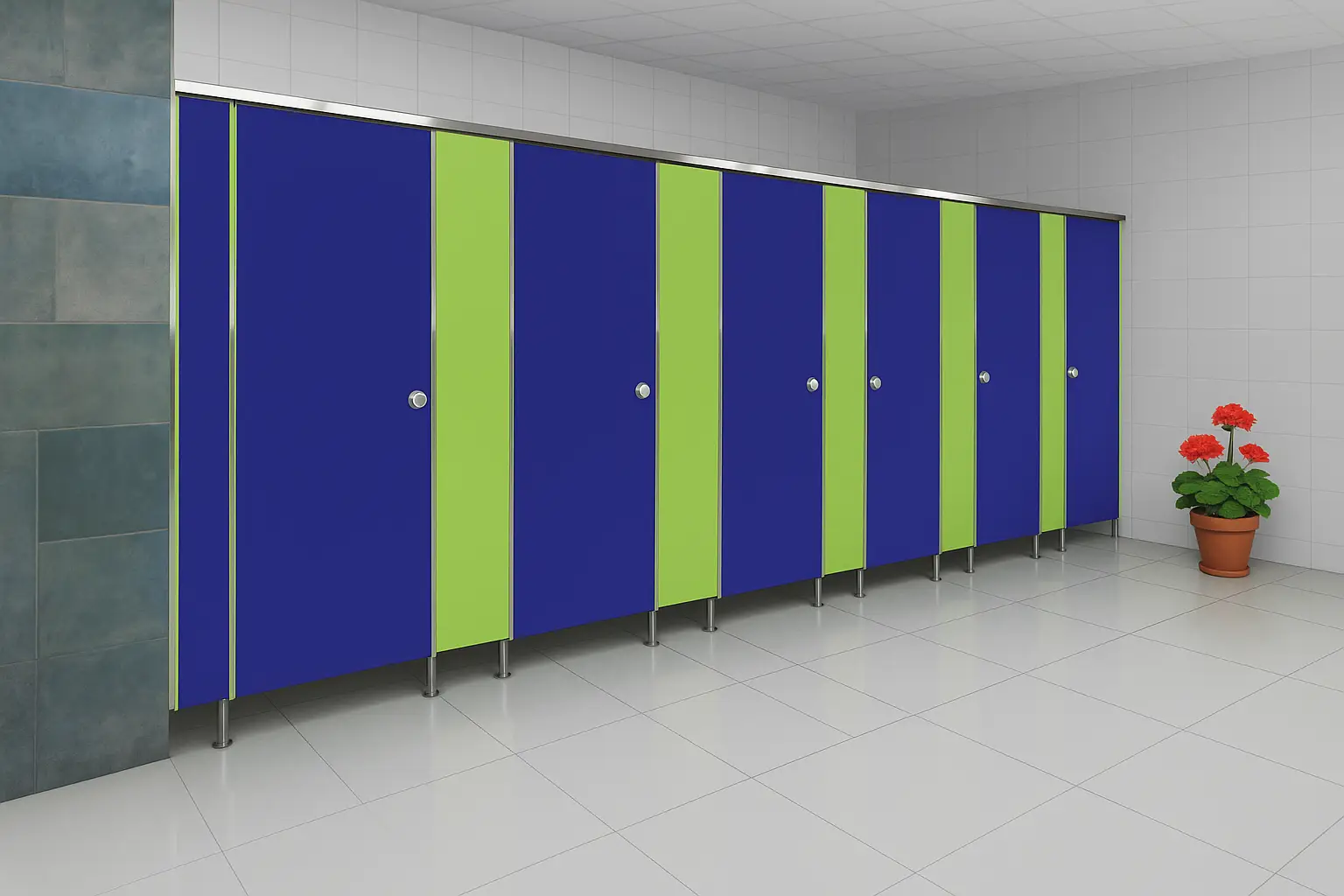
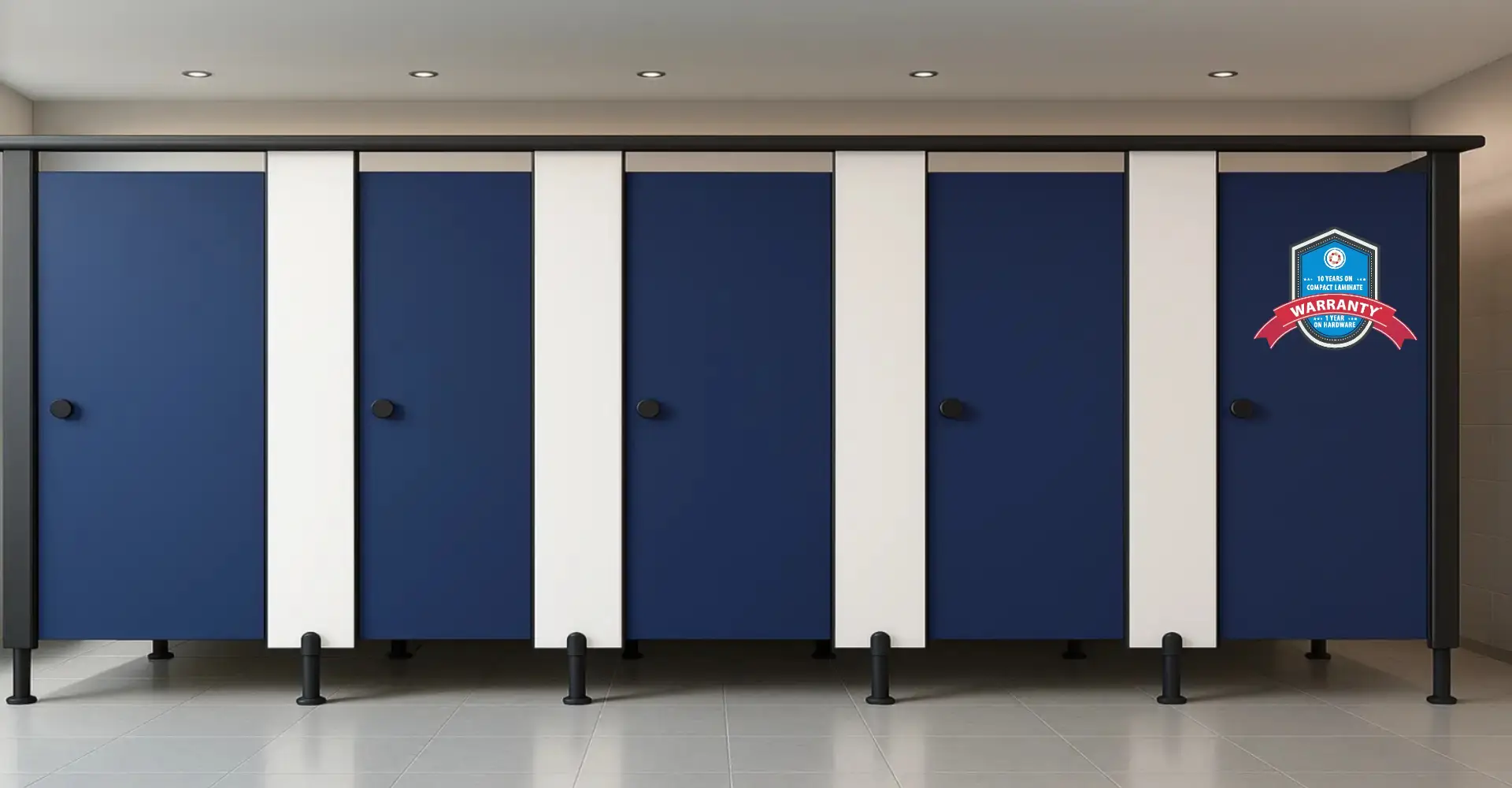
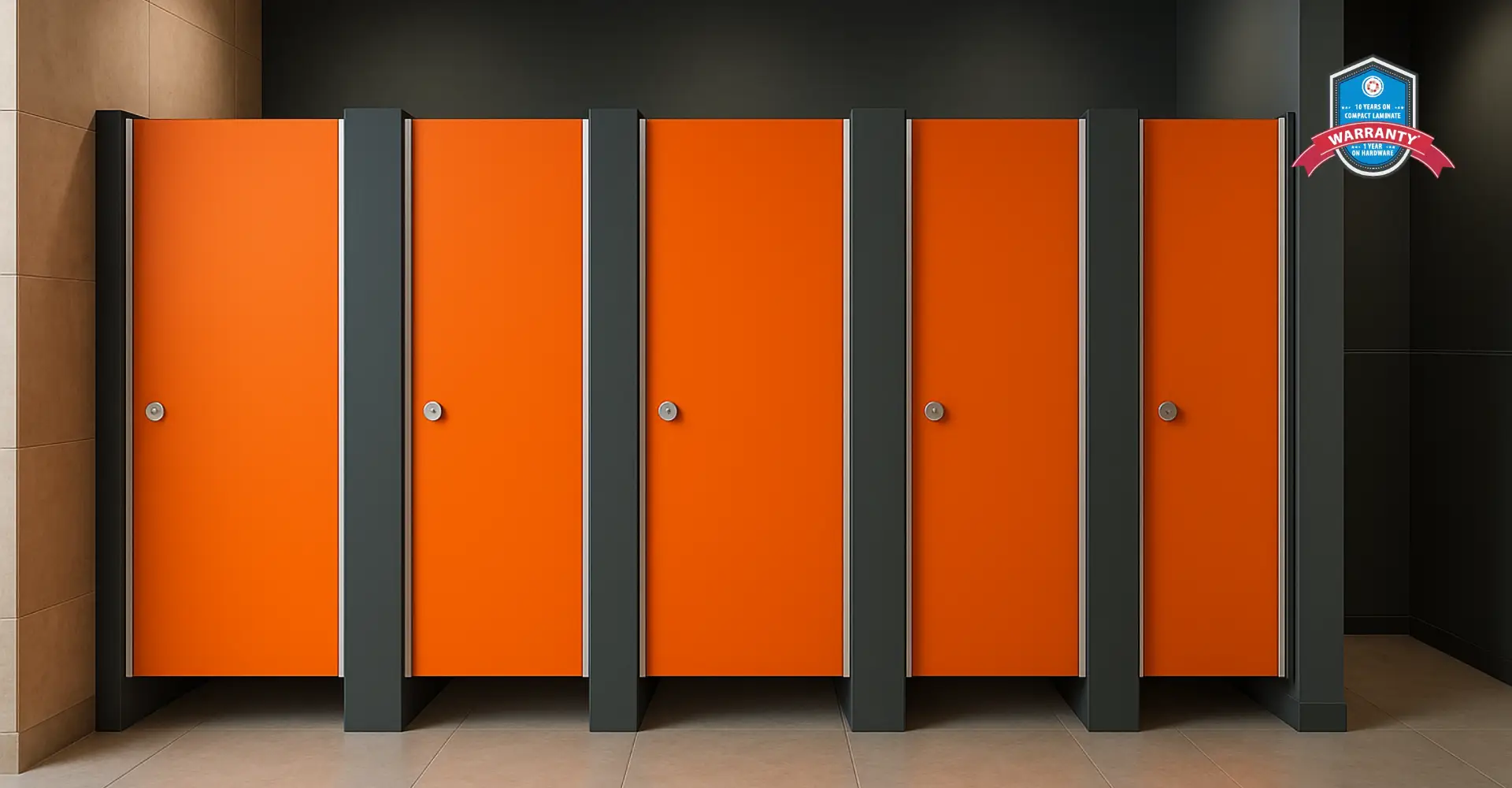
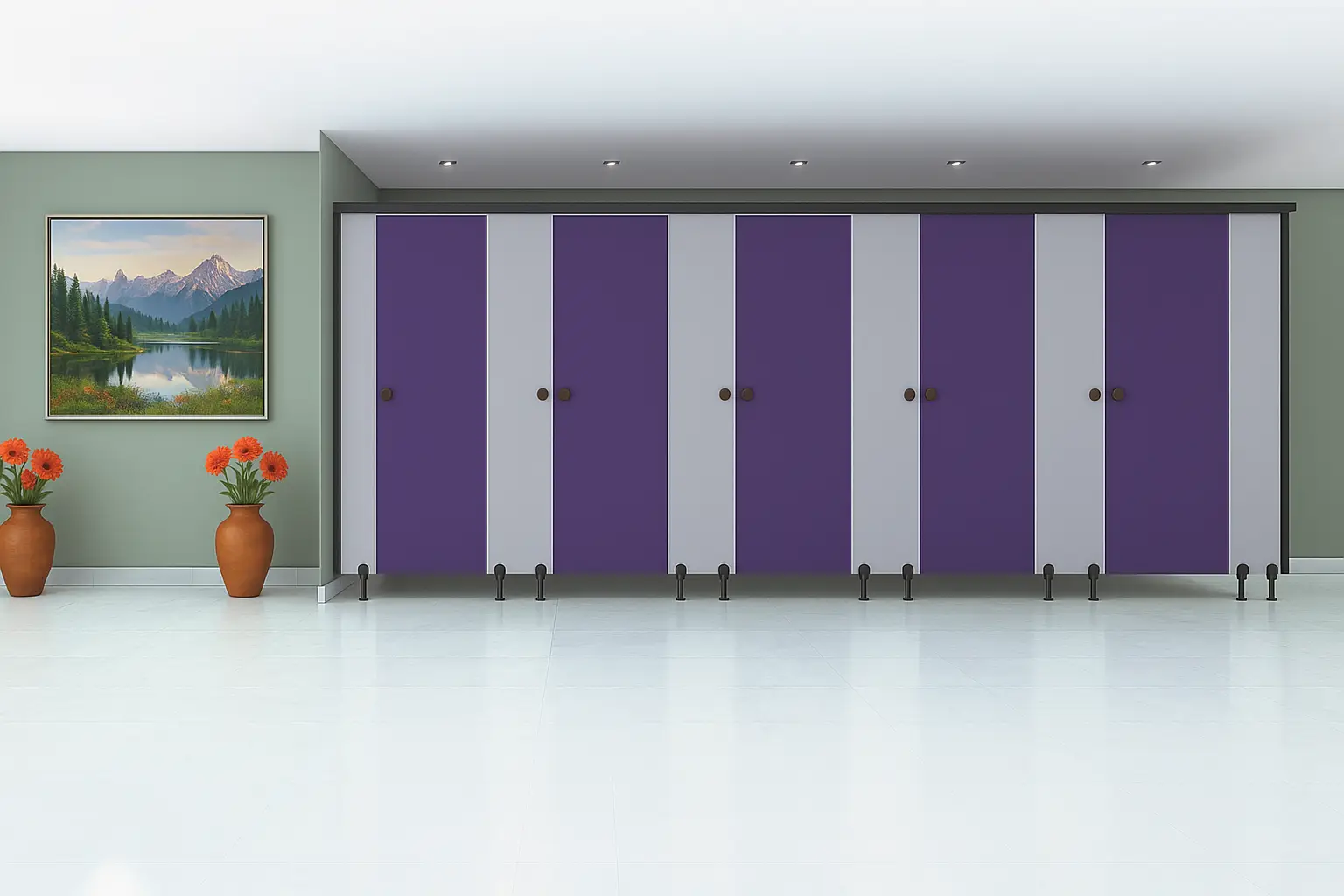
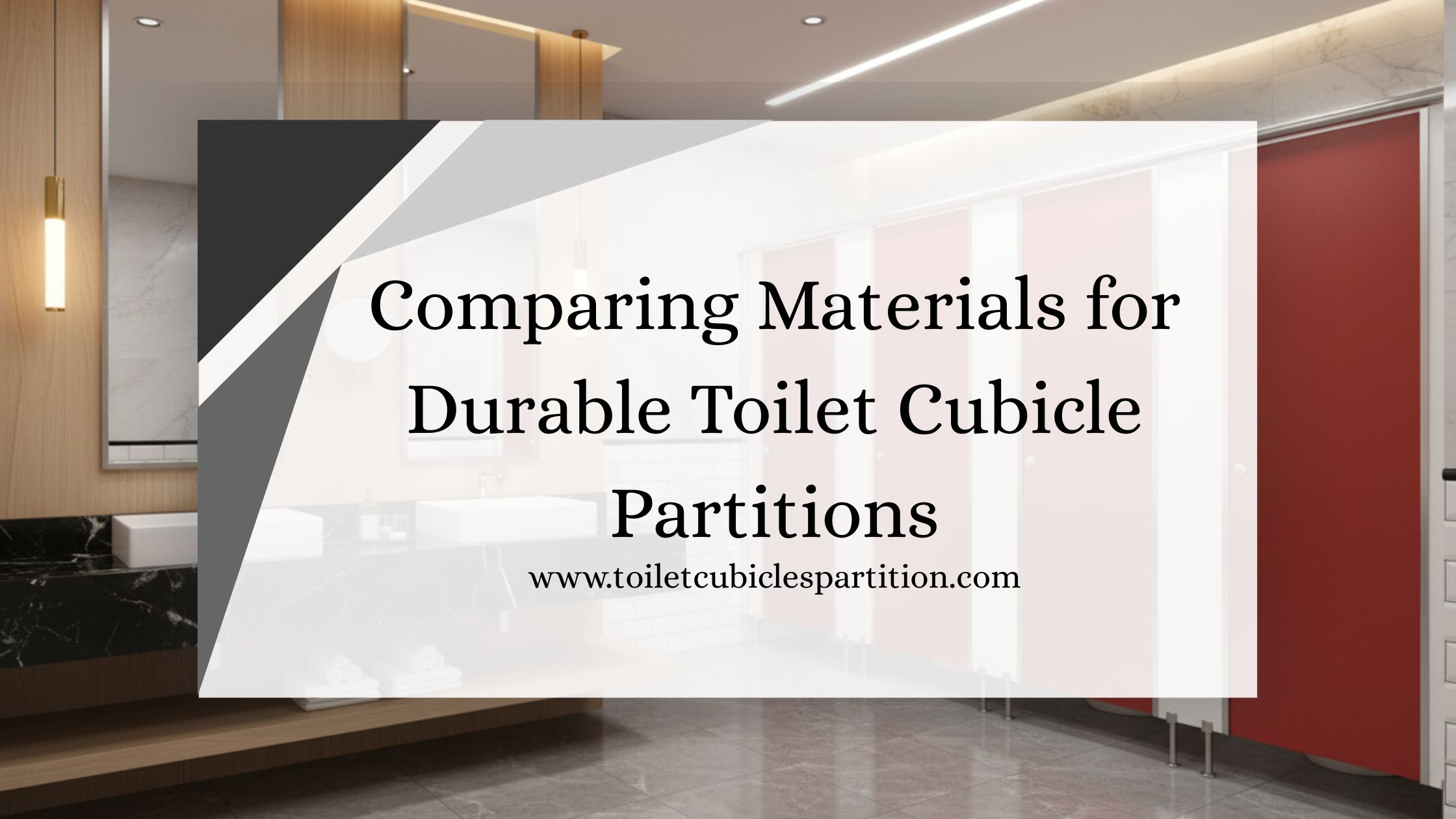
When designing a washroom, especially in commercial, industrial, or public environments, one of the most critical decisions is choosing the right material for your Toilet Cubicle Partition. While design and layout are important, the material ultimately determines durability, hygiene, maintenance, and long-term cost efficiency.
A poorly chosen material can lead to frequent repairs, unhygienic conditions, and increased operational costs. On the other hand, the right material ensures long-lasting performance, aesthetic appeal, and minimal maintenance.
At Ryka Restroom Cubicle, we guide clients in selecting the most suitable materials based on their specific usage, environment, and budget. In this in-depth guide, we’ll explore and compare the most widely used materials for Toilet Cubicle Partition systems.
Why Material Selection is Critical
Material choice directly impacts how well a washroom performs over time. Unlike residential spaces, commercial and public washrooms face constant usage, exposure to water, and varying environmental conditions.
A high-quality Toilet Cubicle Partition material ensures:
- Resistance to moisture and humidity
- Ability to withstand heavy usage
- Ease of cleaning and hygiene maintenance
- Long service life with minimal repairs
- Better return on investment
Ignoring these factors can result in higher lifecycle costs and poor user experience.
Key Factors to Evaluate Before Choosing Materials
Before comparing materials, it’s important to understand the criteria used for evaluation:
1. Durability
Can the material withstand heavy daily usage without damage?
2. Moisture Resistance
Is it suitable for wet environments without swelling, rusting, or degrading?
3. Hygiene
Does it resist bacterial growth and allow easy cleaning?
4. Maintenance
How often does it require repairs or upkeep?
5. Aesthetic Flexibility
Does it offer design options that match interior themes?
6. Cost vs Long-Term Value
Is it economical over time, not just at purchase?
A well-chosen Toilet Cubicle Partition material balances all these factors.
Detailed Comparison of Materials
1. Compact Laminate – The Industry Standard
Compact laminate is one of the most preferred materials for modern washroom partitions due to its exceptional durability and water resistance.
Key Characteristics:
- Made from layers of kraft paper bonded under high pressure
- Completely water-resistant
- Highly impact-resistant
- Non-porous surface
Advantages:
- Ideal for high-traffic environments
- Resistant to scratches, stains, and chemicals
- Requires minimal maintenance
- Long lifespan
Limitations:
- Higher initial investment
Best Applications:
- Airports, malls, offices
- Industrial facilities
- Educational institutions
A compact laminate Toilet Cubicle Partition is often considered the best long-term investment.
2. High-Pressure Laminate (HPL) – Cost-Effective Versatility
HPL is widely used due to its balance between affordability and performance.
Key Characteristics:
- Decorative laminate surface bonded to a core board
- Available in various finishes and colors
Advantages:
- Economical compared to compact laminate
- Wide design options
- Suitable for moderate usage
Limitations:
- Less water-resistant
- Core material may degrade in high moisture
Best Applications:
- Offices
- Schools and colleges
- Low to medium traffic areas
An HPL-based Toilet Cubicle Partition is ideal for budget-conscious projects.
3. Stainless Steel – Premium and Hygienic
Stainless steel partitions are known for their sleek appearance and superior durability.
Key Characteristics:
- Corrosion-resistant metal
- Smooth and reflective finish
Advantages:
- Extremely durable
- Highly hygienic and easy to clean
- Resistant to moisture and rust
- Premium aesthetic appeal
Limitations:
- Expensive
- Shows fingerprints and smudges
Best Applications:
- Luxury hotels
- High-end commercial spaces
- Healthcare facilities
A stainless steel Toilet Cubicle Partition offers both style and performance.
4. Powder-Coated Metal – Strength for Industrial Use
Powder-coated metal partitions are designed for rugged environments.
Key Characteristics:
- Steel panels coated with protective powder layer
- Strong structural integrity
Advantages:
- High strength and durability
- Suitable for rough usage
- Cost-effective for industrial setups
Limitations:
- Risk of corrosion if coating is damaged
- Limited aesthetic options
Best Applications:
- Factories and warehouses
- Industrial facilities
A metal Toilet Cubicle Partition is ideal for heavy-duty environments.
5. Phenolic Panels – High Moisture Performance
Phenolic panels are engineered for extreme moisture resistance and durability.
Key Characteristics:
- Resin-impregnated core
- High-density structure
Advantages:
- Excellent resistance to water and humidity
- Strong and long-lasting
- Low maintenance
Limitations:
- Higher cost
Best Applications:
- Swimming pools
- Gyms and spas
- Coastal or humid areas
Phenolic Toilet Cubicle Partition systems perform exceptionally well in wet conditions.
Advanced Considerations for Material Selection
Environmental Conditions
- High humidity → Compact laminate or phenolic
- Dry indoor spaces → HPL
- Industrial exposure → Metal
Footfall Volume
- High traffic → Compact laminate or stainless steel
- Medium traffic → HPL
- Heavy-duty usage → Metal
Design Requirements
- Premium look → Stainless steel
- Custom colours → HPL or compact laminate
Budget Planning
- Short-term budget → HPL
- Long-term ROI → Compact laminate
Lifecycle Cost vs Initial Cost
Many buyers focus only on upfront cost, but lifecycle cost is more important.
A cheaper Toilet Cubicle Partition may:
- Require frequent repairs
- Have a shorter lifespan
- Increase maintenance costs
A durable material:
- Reduces replacement frequency
- Saves maintenance costs
- Offers better long-term value
Common Mistakes to Avoid
When selecting materials, avoid:
- Choosing low-cost materials for high-traffic areas
- Ignoring moisture exposure
- Overlooking maintenance requirements
- Compromising on hygiene standards
A strategic approach ensures better performance and cost savings.
Why Choose Ryka Restroom Cubicle
At Ryka Restroom Cubicle, we combine expertise, quality, and customization to deliver the best solutions. Our Toilet Cubicle Partition systems are designed to meet diverse requirements across industries.
We offer:
- Expert material consultation
- High-quality manufacturing
- Custom design solutions
- Durable and hygienic materials
- Professional installation and support
Our goal is to provide long-lasting and efficient washroom solutions.
Conclusion
Selecting the right material is the foundation of a durable and efficient washroom design. Each material—whether compact laminate, HPL, stainless steel, metal, or phenolic—has its own strengths and ideal applications.
A well-chosen Toilet Cubicle Partition not only enhances durability and hygiene but also ensures long-term cost efficiency and user satisfaction.
At Ryka Restroom Cubicle, we help you make the right choice by offering expert guidance and high-quality solutions tailored to your needs.
Planning a washroom project? Get in touch with Ryka Restroom Cubicle for expert advice on selecting the perfect Toilet Cubicle Partition material for your space.