
Choosing the Right Metal Partition for Commercial Washrooms
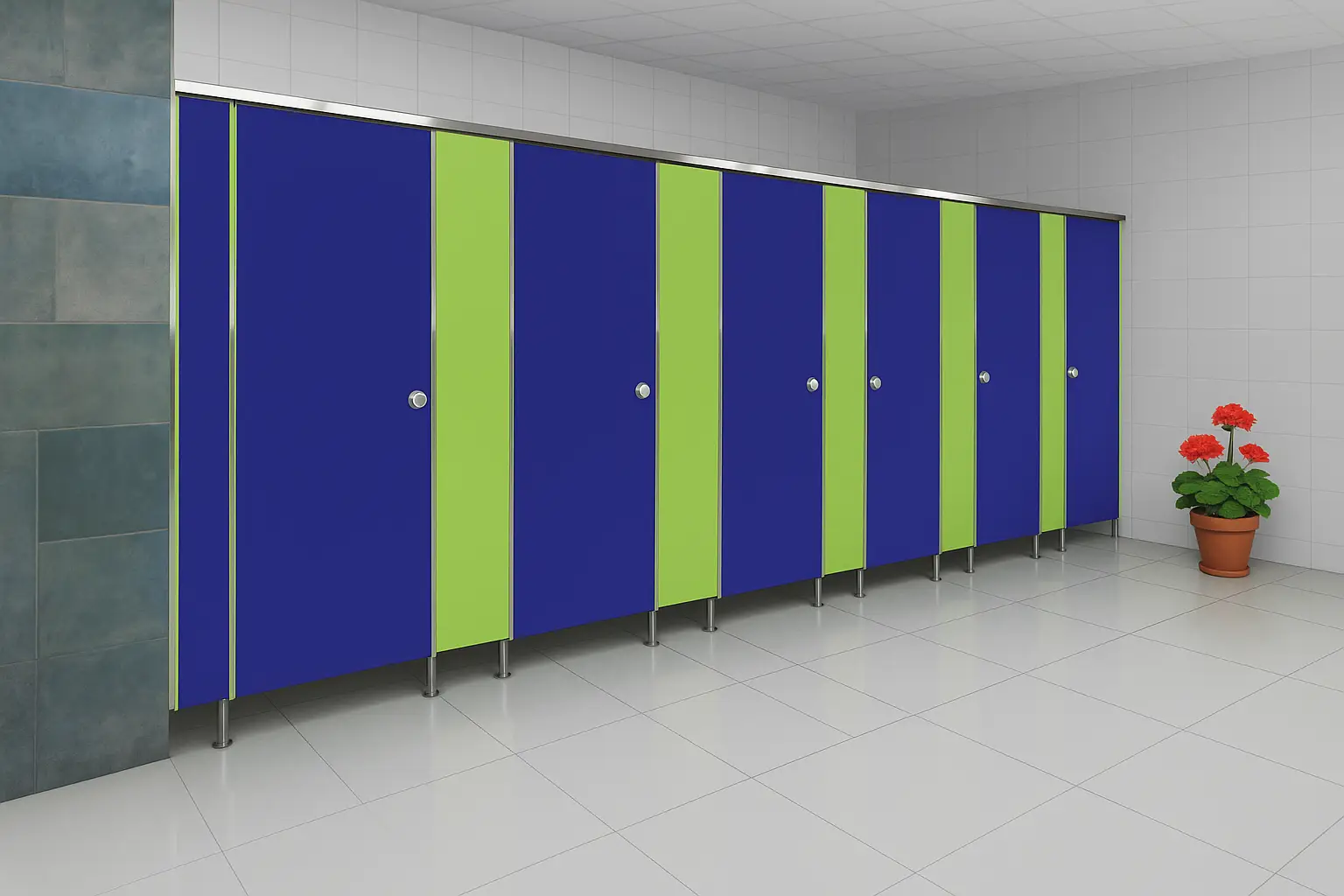
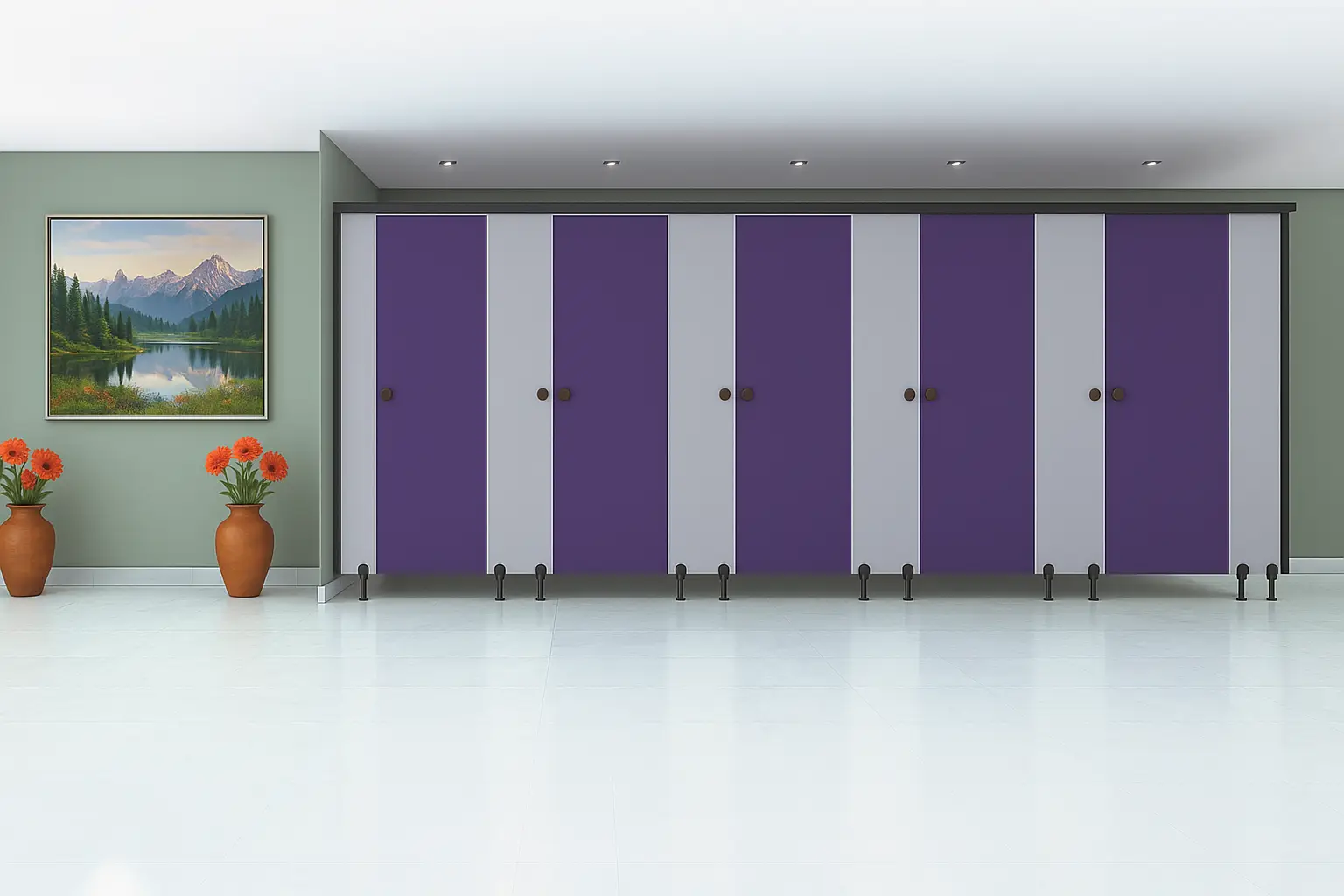
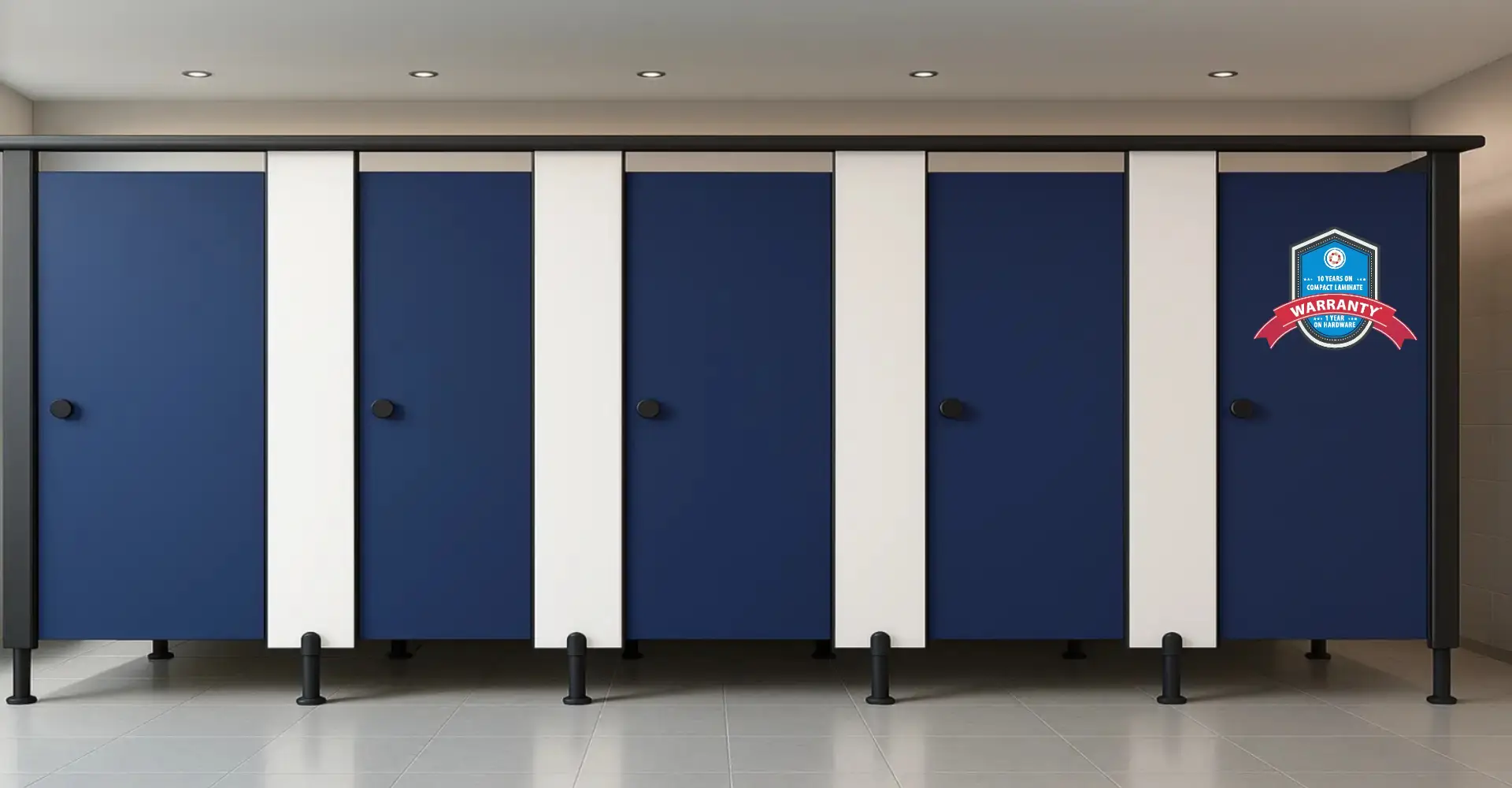
Cloakroom cubicles made of metal are very common in washrooms for public and commercial use, since they are very strong, long-lasting, and economical. The metal toilet cubicles of aluminum and mild steel are two of the most significant ones. Depending on the conditions, environment, and price range, each material has its own advantages and disadvantages. The purpose of this blog is to compare the two options of aluminum versus mild steel toilet cubicles, allowing you to come to a well-informed decision.
Understanding the Materials
What Are Aluminum Toilet Cubicles?
Aluminum cubicles are manufactured using anodized or powder-coated aluminum sheets supported by lightweight frames. They are known for their corrosion resistance and sleek appearance.
What Are Mild Steel Toilet Cubicles?
Mild steel cubicles are made from MS sheets finished with powder coating or enamel paint. They are popular for their strength, affordability, and suitability for heavy-duty applications.
Aluminum Toilet Cubicles: Pros & Cons
Advantages of Aluminum Cubicles
1. Excellent Corrosion Resistance
Aluminum naturally resists rust, making it suitable for humid washroom environments.
2. Lightweight Construction
Easy to handle, transport, and install—reducing labor effort and time.
3. Modern, Clean Appearance
Ideal for contemporary offices, airports, and premium commercial spaces.
4. Low Maintenance
Requires minimal upkeep and performs well with regular cleaning.
Limitations of Aluminum Cubicles
1. Higher Cost
Aluminum is generally more expensive than mild steel.
2. Lower Impact Resistance
Not as strong as mild steel in high-abuse or vandal-prone areas.
3. Limited Color Range
Compared to powder-coated steel, color and texture options may be fewer.
Mild Steel Toilet Cubicles: Pros & Cons
Advantages of Mild Steel Cubicles
1. High Strength & Durability
Mild steel offers excellent impact resistance—ideal for high-traffic areas.
2. Cost-Effective Solution
More affordable than aluminum, making it suitable for large-scale projects.
3. Wide Finish Options
Available in multiple powder-coated colors and textures.
4. Suitable for Heavy Usage
Performs well in schools, factories, and public washrooms.
Limitations of Mild Steel Cubicles
1. Rust Risk if Coating Is Damaged
Requires quality powder coating and proper maintenance.
2. Heavier Material
Installation may require more labor and handling effort.
3. Slightly Higher Maintenance
Needs periodic inspection to prevent corrosion over time.
Which One Should You Choose?
Choose aluminum toilet cubicles if:
- You want a lightweight, rust-resistant solution
- Aesthetics and modern design are priorities
- Budget allows for a higher initial cost
Choose mild steel toilet cubicles if:
- Budget is a key concern
- The washroom experiences heavy foot traffic
- Strength and vandal resistance are critical
Ideal Applications
Aluminum Cubicles
- Corporate offices
- Airports & metro stations
- Shopping malls
- Premium commercial buildings
Mild Steel Cubicles
- Schools & colleges
- Industrial facilities
- Public washrooms
- Government buildings
Conclusion: Performance Depends on Application
Both aluminum and mild steel toilet cubicles offer reliable performance when chosen correctly. Aluminum excels in corrosion resistance and aesthetics, while mild steel stands out for strength and cost efficiency. The right choice depends on usage intensity, environment, maintenance capability, and budget. By understanding the pros and cons of each, facility managers and designers can select the most suitable toilet cubicle system for long-lasting and efficient washroom solutions.