
In modern architecture, space optimization has become a critical challenge—especially in commercial buildings, offices, restaurants, and retail spaces where every square foot matters. Washrooms, often limited in size, must still deliver comfort, hygiene, and functionality. This is where smart toilet cubicle partition design plays a transformative role.
At Ryka Restroom Cubicle, we specialize in creating innovative partition solutions that help maximize space without compromising on usability or aesthetics. A well-designed restroom is not about size—it’s about how efficiently the space is used.
This article explores how thoughtful partition design can turn even the smallest washrooms into highly functional and comfortable spaces.
The Challenge of Small Washroom Spaces
Small washrooms often face multiple design limitations. Poor layout planning can lead to cramped movement, inefficient use of space, and reduced user comfort. Many facilities struggle with overcrowded cubicles, improper door clearance, and underutilized areas.
A poorly planned toilet cubicle partition system can make the space feel even smaller, while a well-designed one can significantly enhance usability. The key lies in intelligent planning and modern design techniques.
Smart Layout Planning for Maximum Efficiency
The foundation of space optimization begins with layout planning. Instead of following a standard template, each washroom should be designed based on its unique dimensions and usage requirements.
Strategically aligning cubicles along walls helps free up central space, allowing smoother movement. Eliminating unnecessary gaps and corridors ensures that every inch is utilized effectively.
A properly planned toilet cubicle partition layout creates a natural flow within the washroom, reducing congestion and improving accessibility.
Compact and Customized Cubicle Dimensions
One of the most effective ways to maximize space is by customizing cubicle sizes. Standard dimensions may not always work for smaller washrooms.
Modern partition systems allow flexibility in sizing, enabling designers to reduce unnecessary width or depth without compromising comfort. By optimizing dimensions, more cubicles can be accommodated within the same space.
This approach ensures that the toilet cubicle partition system is tailored to the available area rather than forcing a one-size-fits-all solution.
Efficient Door Design for Space Saving
Traditional outward-opening doors can occupy valuable space and disrupt movement in compact washrooms. Alternative door designs play a crucial role in optimizing layout efficiency.
Inward-opening doors or sliding mechanisms eliminate the need for extra clearance. This not only saves space but also improves safety in crowded environments.
Innovative door solutions are an integral part of modern toilet cubicle partition systems, especially in tight layouts.
Efficient Door Design for Space Saving
Traditional outward-opening doors can occupy valuable space and disrupt movement in compact washrooms. Alternative door designs play a crucial role in optimizing layout efficiency.
Inward-opening doors or sliding mechanisms eliminate the need for extra clearance. This not only saves space but also improves safety in crowded environments.
Innovative door solutions are an integral part of modern toilet cubicle partition systems, especially in tight layouts.
Minimalist Design for an Open Feel
Visual perception plays a major role in how spacious a washroom feels. Even a small area can appear larger with the right design approach.
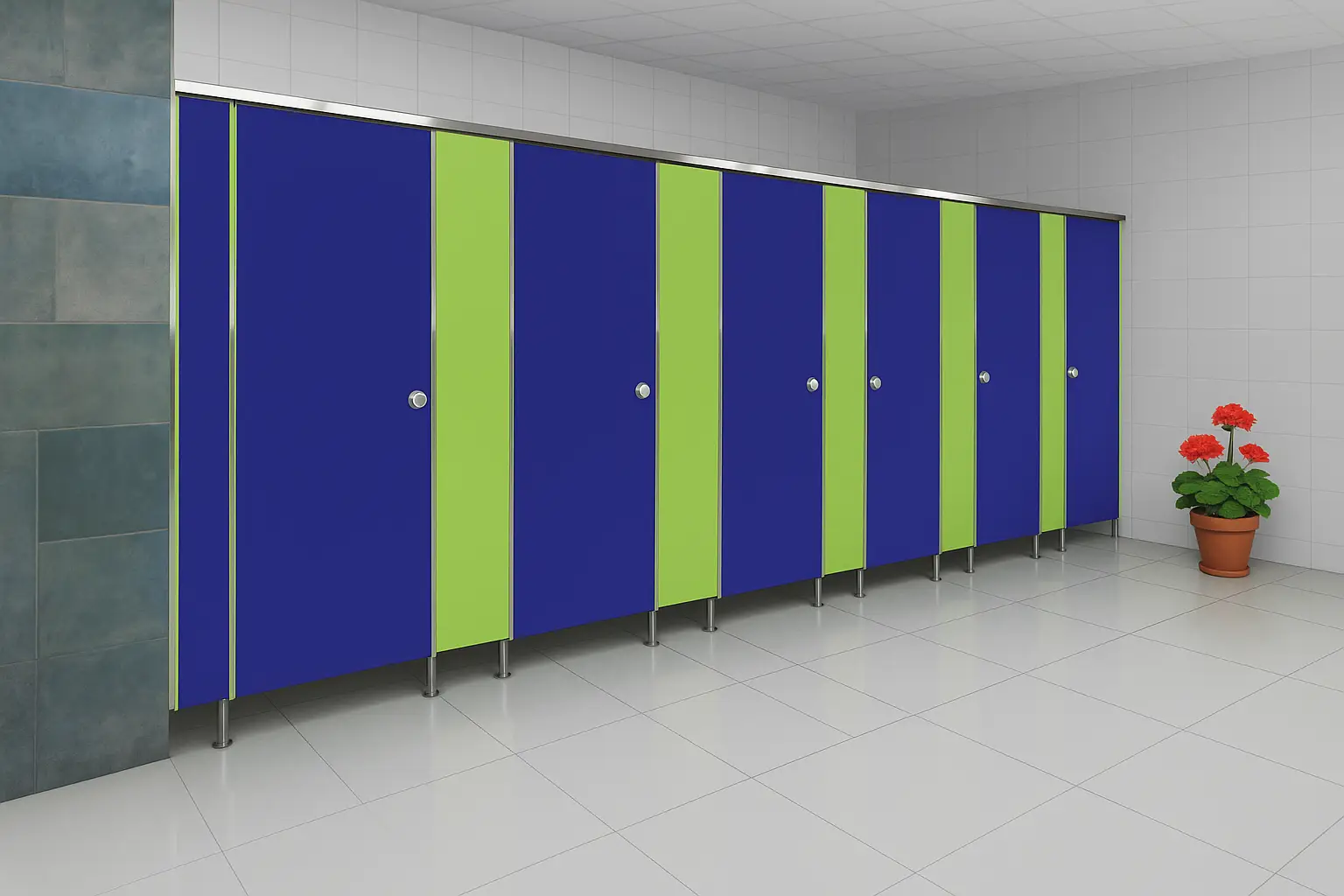
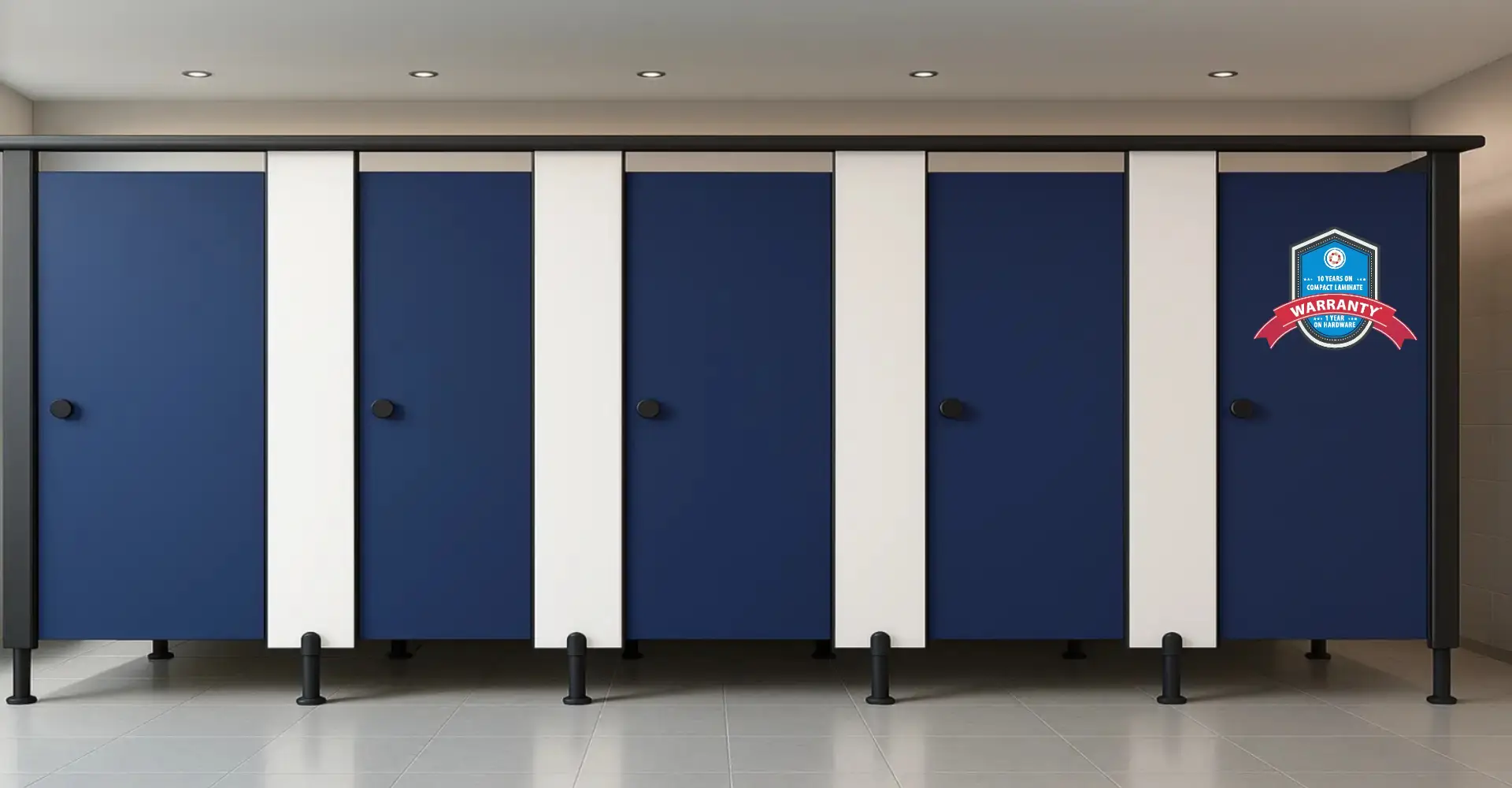
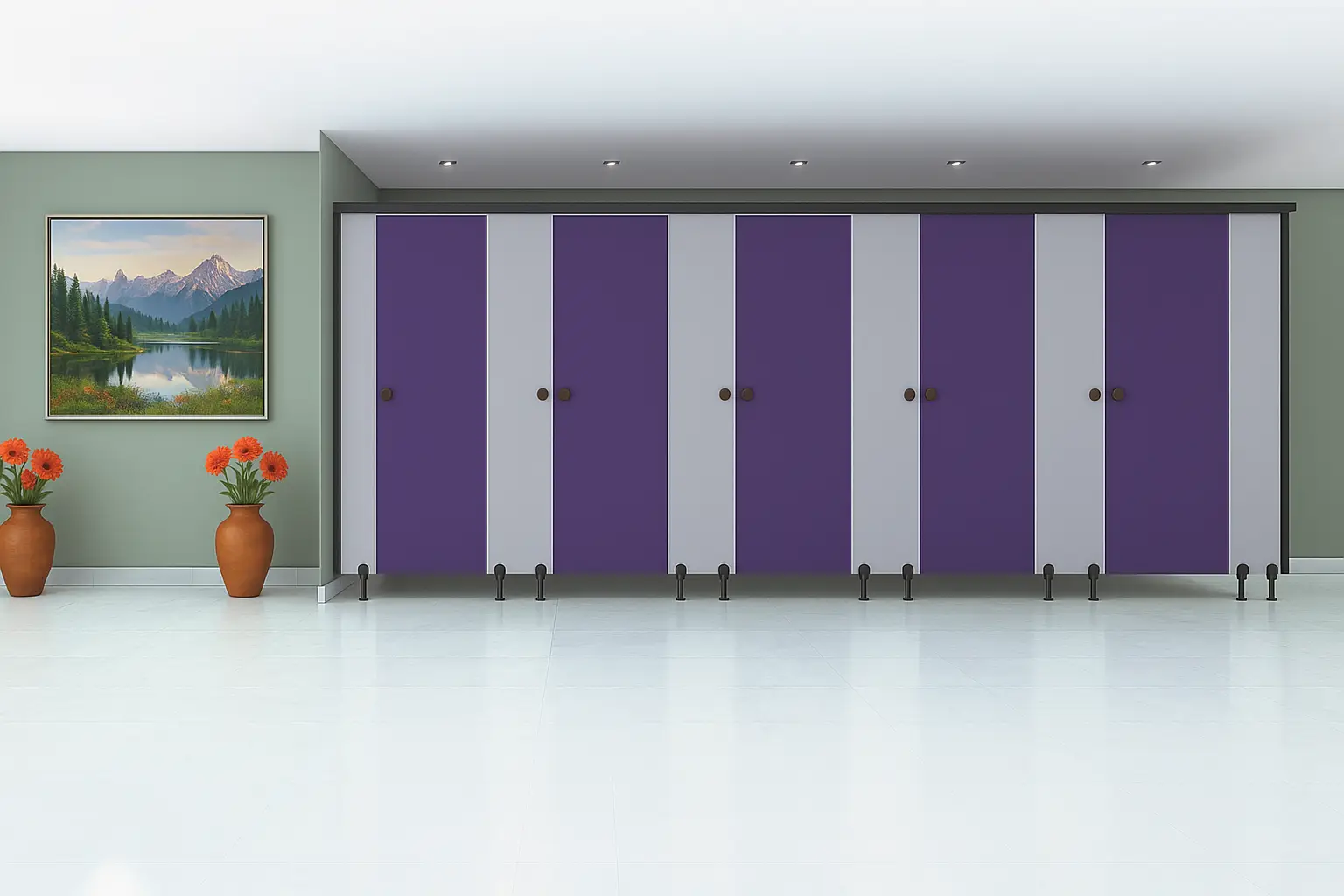
Minimalist partition designs focus on clean lines, neutral colors, and uncluttered structures. Light shades reflect more light, making the space feel open and airy. Slim panels and concealed fittings reduce visual bulk.
This design philosophy ensures that the toilet cubicle partition contributes to a modern and spacious appearance.
Smart Use of Corners and Dead Spaces
Corners and unused areas are often wasted in traditional washroom layouts. With smart design, these spaces can be transformed into functional cubicles.
Corner installations and L-shaped layouts allow designers to utilize every available inch efficiently. Integrating partitions into these areas ensures that no space is left unused.
A well-planned toilet cubicle partition system turns dead space into productive space.
Modular Systems for Flexibility and Efficiency
Modular partition systems are ideal for small washrooms due to their flexibility. Pre-engineered components can be customized and assembled based on specific layout requirements.
These systems allow quick installation and easy adjustments, making them suitable for both new projects and renovations. If the layout needs to be modified in the future, modular designs make it easier to adapt.
This flexibility ensures that the toilet cubicle partition system remains efficient over time.
Material Selection for Slim yet Strong Design
Choosing the right materials is essential for space optimization. Bulky materials can make partitions look heavy and consume unnecessary space.
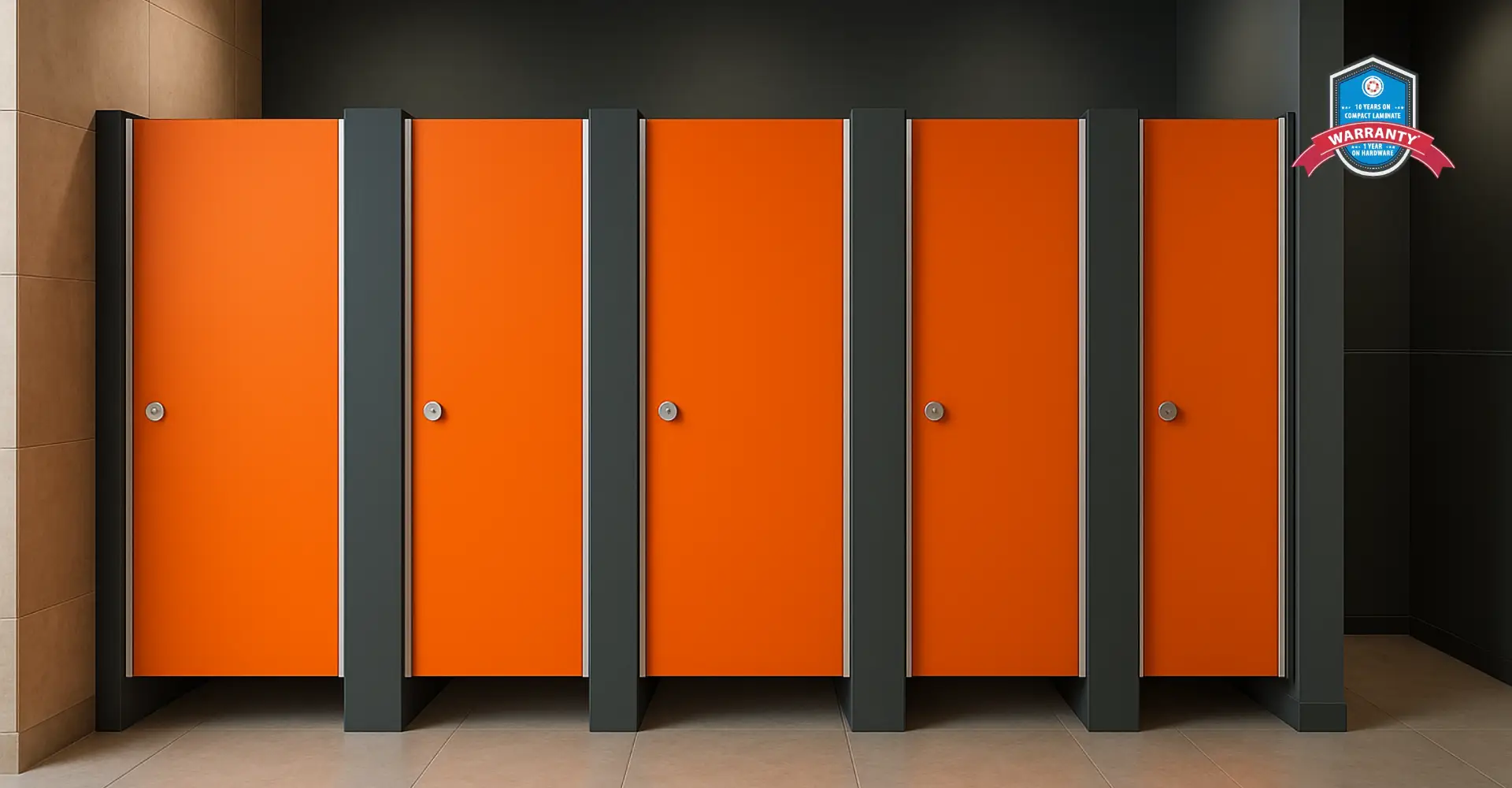
Modern materials such as compact laminate and high-pressure laminate offer high strength with minimal thickness. Lightweight aluminum frames provide structural support without adding bulk.
These materials ensure that the toilet cubicle partition system remains durable while maintaining a sleek profile.
Improving Lighting and Visibility
Lighting plays a significant role in enhancing the perception of space. Partition design can support better lighting by minimizing obstructions and using reflective surfaces.
Light-colored finishes and smooth surfaces help distribute light evenly, making the washroom appear brighter and more spacious.
A thoughtfully designed toilet cubicle partition system complements lighting to improve overall ambiance.
Ensuring Comfort Without Compromising Space
While maximizing space is important, user comfort should not be overlooked. A well-designed partition system balances compactness with usability.
Proper legroom, door clearance, and ease of movement must be maintained. Overcrowding cubicles can negatively impact user experience, so design should focus on optimal spacing rather than maximum quantity.
A balanced toilet cubicle partition design ensures both efficiency and comfort.
Easy Maintenance in Compact Spaces
Small washrooms require efficient cleaning and maintenance solutions. Partition design should allow easy access for cleaning staff while minimizing dirt accumulation.
Smooth surfaces, fewer joints, and moisture-resistant materials make maintenance easier and faster. Modular panels also allow easy replacement if needed.
A well-designed toilet cubicle partition system supports long-term hygiene and operational efficiency.
Why Choose Ryka Restroom Cubicle
At Ryka Restroom Cubicle, we understand the challenges of designing small washrooms. Our expertise lies in creating intelligent partition solutions that maximize space while maintaining durability and aesthetics.
We offer:
- Customized toilet cubicle partition designs
- Space-efficient layouts for compact washrooms
- High-quality, durable materials
- Modular systems for flexibility
- Professional installation and support
Our goal is to transform limited spaces into functional and visually appealing restroom environments.
Conclusion
Maximizing space in small washrooms requires a combination of smart planning, innovative design, and high-quality materials. A well-designed toilet cubicle partition system can significantly improve layout efficiency, enhance comfort, and create a more spacious feel.
From compact dimensions and modular systems to minimalist design and efficient layouts, every detail plays a role in optimizing space.
At Ryka Restroom Cubicle, we deliver tailored solutions that help businesses make the most of their available space while maintaining high standards of quality and design.
Looking to optimize your small washroom? Contact Ryka Restroom Cubicle today for expertly designed toilet cubicle partition solutions that maximize space and performance.