
Creating Safer, Healthier Restroom Environments
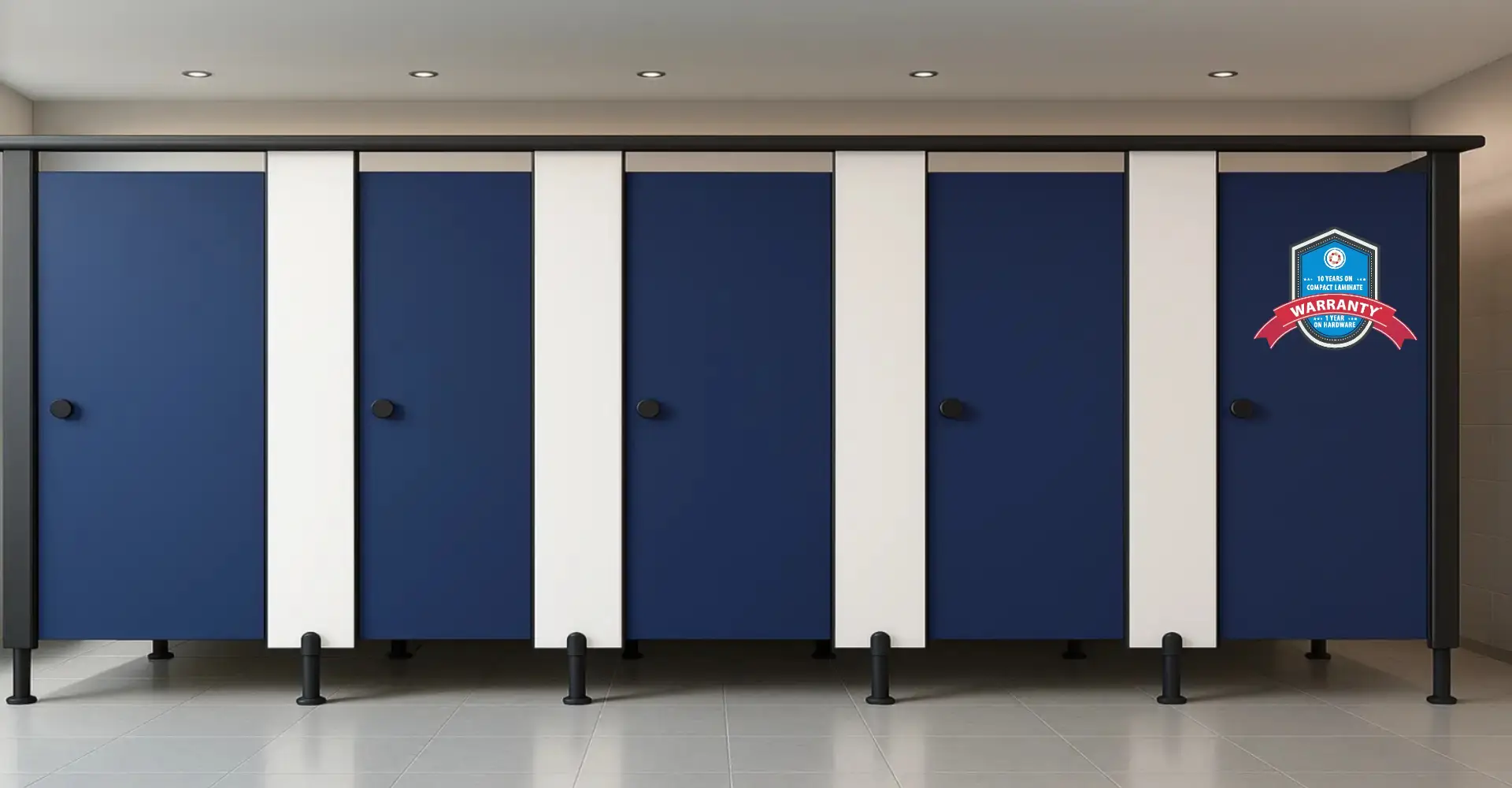
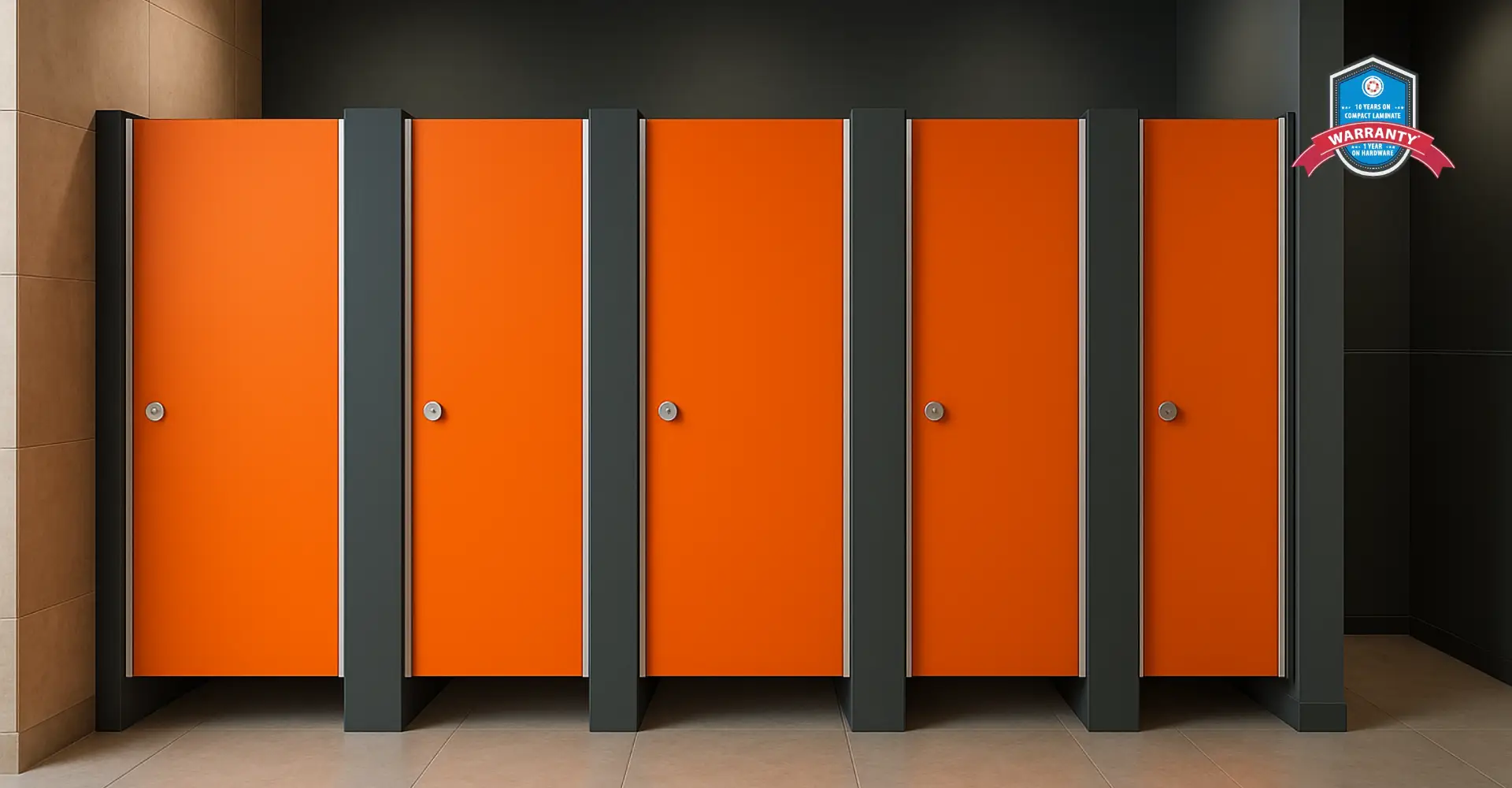
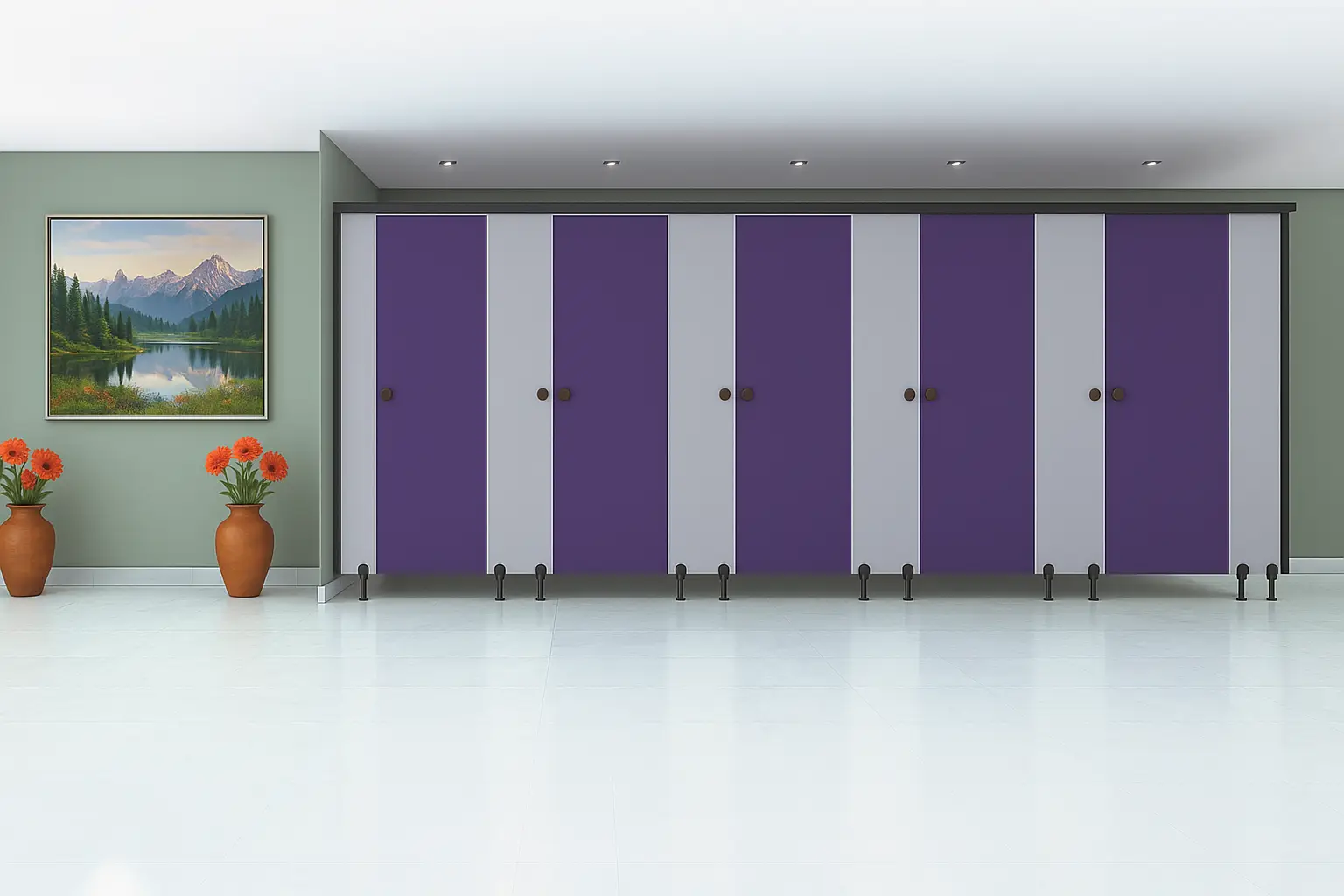
Hygiene has become a top priority in shared spaces—especially in offices and schools, where high foot traffic increases the risk of germ transmission. One of the most effective ways to improve restroom hygiene is by installing antimicrobial toilet cubicles.These advanced cubicle systems are designed to inhibit the growth of bacteria, mold, and microbes, helping maintain cleaner and safer washrooms for employees, students, and visitors.
What Are Antimicrobial Toilet Cubicles?
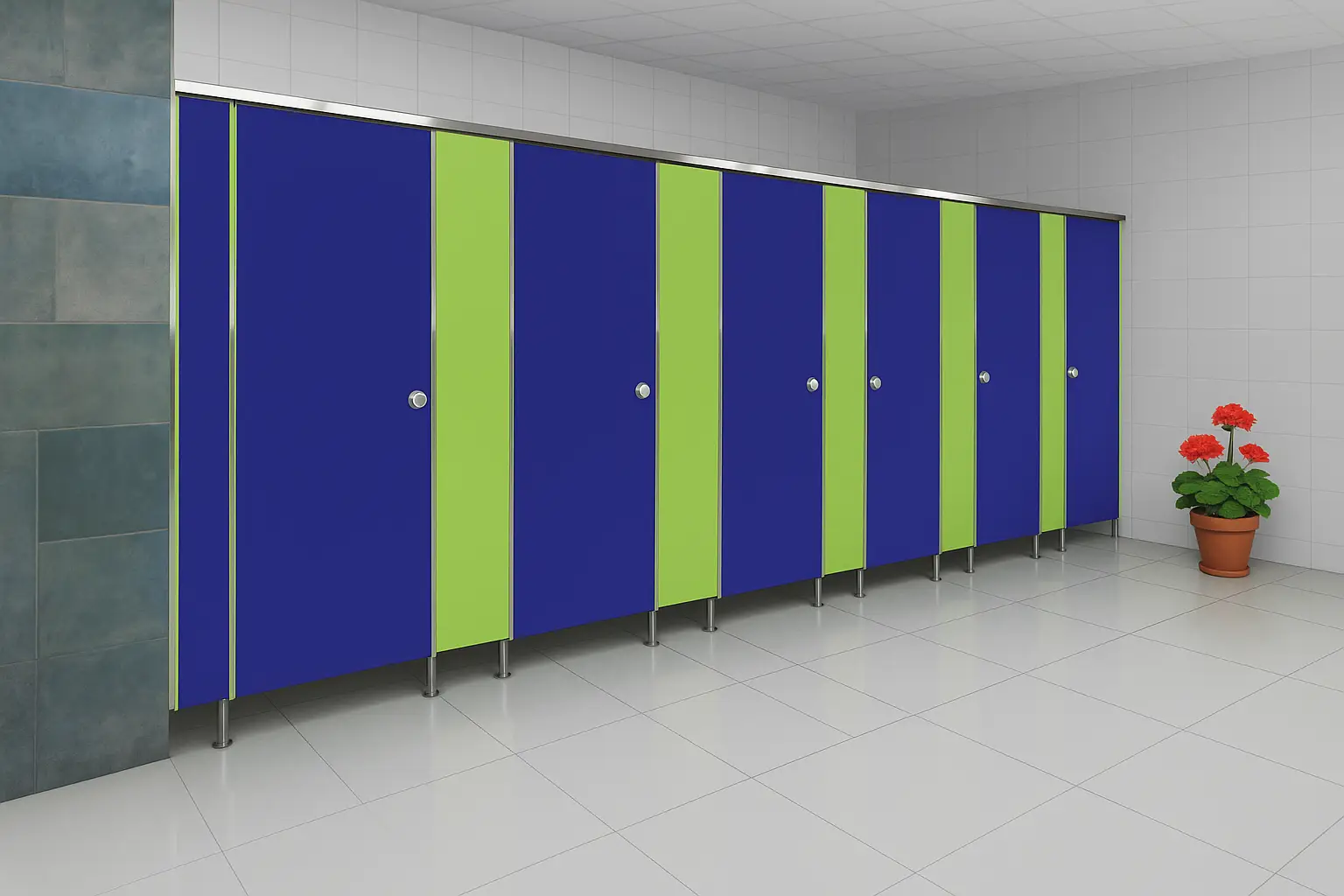
Antimicrobial toilet cubicles are restroom partitions manufactured using special coatings or treated materials that actively resist the growth of harmful microorganisms. These antimicrobial agents work continuously on the surface, reducing bacterial presence between cleaning cycles.
Common antimicrobial materials include:
- Antimicrobial HPL (High-Pressure Laminate)
- Phenolic compact laminate
- Powder-coated steel with antimicrobial finishes
Why Hygiene Matters in Offices and Schools
Offices and educational institutions experience:
- High daily restroom usage
- Shared facilities among large groups
- Increased exposure to germs and viruses
Poor restroom hygiene can lead to higher absenteeism, health complaints, and dissatisfaction. Antimicrobial cubicles help address these challenges at the infrastructure level.
Key Ways Antimicrobial Toilet Cubicles Improve Hygiene
1. Inhibit Bacterial & Microbial Growth
Antimicrobial surfaces actively prevent bacteria, mold, and mildew from multiplying.
Hygiene Impact:
✔ Reduced bacterial colonies on cubicle surfaces
✔ Lower risk of cross-contamination
✔ Continuous protection between cleanings
This makes restrooms safer even during peak usage hours.
2. Enhance Overall Cleanliness
Because microbes don’t thrive on antimicrobial surfaces, washrooms stay visibly cleaner for longer periods.
Benefits:
- Fewer stains and odors
- Reduced mold growth in humid environments
- Improved appearance throughout the day
This is especially important in schools where children are more vulnerable to infections.
3. Support Healthier Work & Learning Environments
Cleaner restrooms contribute directly to occupant well-being.
Results Include:
✔ Fewer illness-related absences
✔ Improved comfort and confidence in shared facilities
✔ Better indoor hygiene standards
In offices, this leads to higher productivity; in schools, it supports student health.
4. Reduce Cleaning Effort & Chemical Usage
Antimicrobial toilet cubicles reduce reliance on harsh disinfectants.
Operational Advantages:
- Easier routine cleaning
- Lower use of aggressive chemicals
- Reduced maintenance costs
This also supports environmentally responsible facility management.
5. Long-Lasting Hygiene Protection
Unlike temporary disinfectants, antimicrobial protection is built into the material.
Why It Matters:
- Continuous effectiveness
- Durable performance over time
- No special maintenance required
This ensures consistent hygiene standards throughout the cubicle’s lifespan.
Ideal Applications in Offices & Schools
Antimicrobial toilet cubicles are ideal for:
- Corporate office buildings
- IT parks and coworking spaces
- Schools and universities
- Training institutes
- Staff and student restrooms
They are particularly effective in high-traffic, shared-use washrooms.
Choosing the Right Antimicrobial Cubicle System
When selecting antimicrobial toilet cubicles, consider:
✔ Level of foot traffic
✔ Moisture exposure
✔ Cleaning frequency
✔ Compliance with hygiene standards
✔ Manufacturer certifications
A well-chosen system ensures maximum hygiene impact.
Conclusion: Smarter Restrooms for Healthier Spaces
Antimicrobial toilet cubicles primarily contribute to better hygiene quality in office and school restrooms. Their mechanism of action which decreases bacterial proliferation, lessens the cleaning burden, and promotes healthier surroundings, provides a durable solution to the hygiene problems of today. For those looking for safe, clean, and healthy environments, the installation of antimicrobial cubicles is a wise and futuristic investment.