
Innovations Shaping the Next Generation of Washroom Solutions
The lavatory area is constantly changing. Future Toilet Cubicle Partition Manufacturing is to be influenced by designers’ new priorities, science in material development, sustainability requirements, and the incorporation of technology in the year 2026 and beyond. The professionals in charge of the buildings, interior designers, and producers are future proofing their work by being part of these developments, hence, trends decoding could be of great help in the fields of design, sustainability, hygiene, and user experience. So, let’s take a look at the 7 major trends that will characterize the manufacturing process of toilet cubicle partitions in 2026.
1. Smart Washroom Technology Integration
Smart washrooms are no longer futuristic — they are becoming standard in modern facilities. Toilet cubicles are being equipped with:
- Occupancy sensors
- Touchless fixtures
- Usage analytics
- Automated cleaning alerts
Modern partitions will integrate IoT systems to monitor usage patterns, trigger maintenance alerts, and improve hygiene and operational efficiency.
2. Eco-Friendly & Recycled Materials
Sustainability is a cornerstone of modern manufacturing. By 2026, toilet cubicle partitions will increasingly be made from:
- Recycled high-pressure laminates (HPL)
- Post-consumer plastics
- Eco-composite panels
- Biodegradable surfacing materials
These materials not only reduce environmental impact but also meet strict green building certifications like LEED, IGBC, and WELL.
3. Antimicrobial & Easy-Clean Surfaces
Hygiene remains a top priority post-pandemic. Next-gen partitions will feature:
✔ Antimicrobial coatings
✔ Silver-ion or nano-silver embedded surfaces
✔ Non-porous textures that resist dirt and bacteria
These surfaces reduce microbial growth and make daily sanitation more effective and efficient — ideal for healthcare, education, hospitality, and public infrastructures.
4. Universal & Inclusive Design
Future restroom design places emphasis on accessibility and inclusivity. Toilet cubicle partitions in 2026 will incorporate:
- Universal access cubicles
- Wider doorways
- Supportive grab rails
- Lowered fixtures for children and differently-abled users
Inclusive design enhances user comfort and aligns with evolving ADA and global accessibility standards.
5. Modular & Quick-Install Systems
Fast-paced project timelines demand modular partitions that are:
- Easy to assemble and disassemble
- Reusable in retrofit projects
- Adjustable for variable layouts
- Minimal-tool installation
Modular systems reduce labor costs and site disruption, offering flexibility for renovations and expansions.
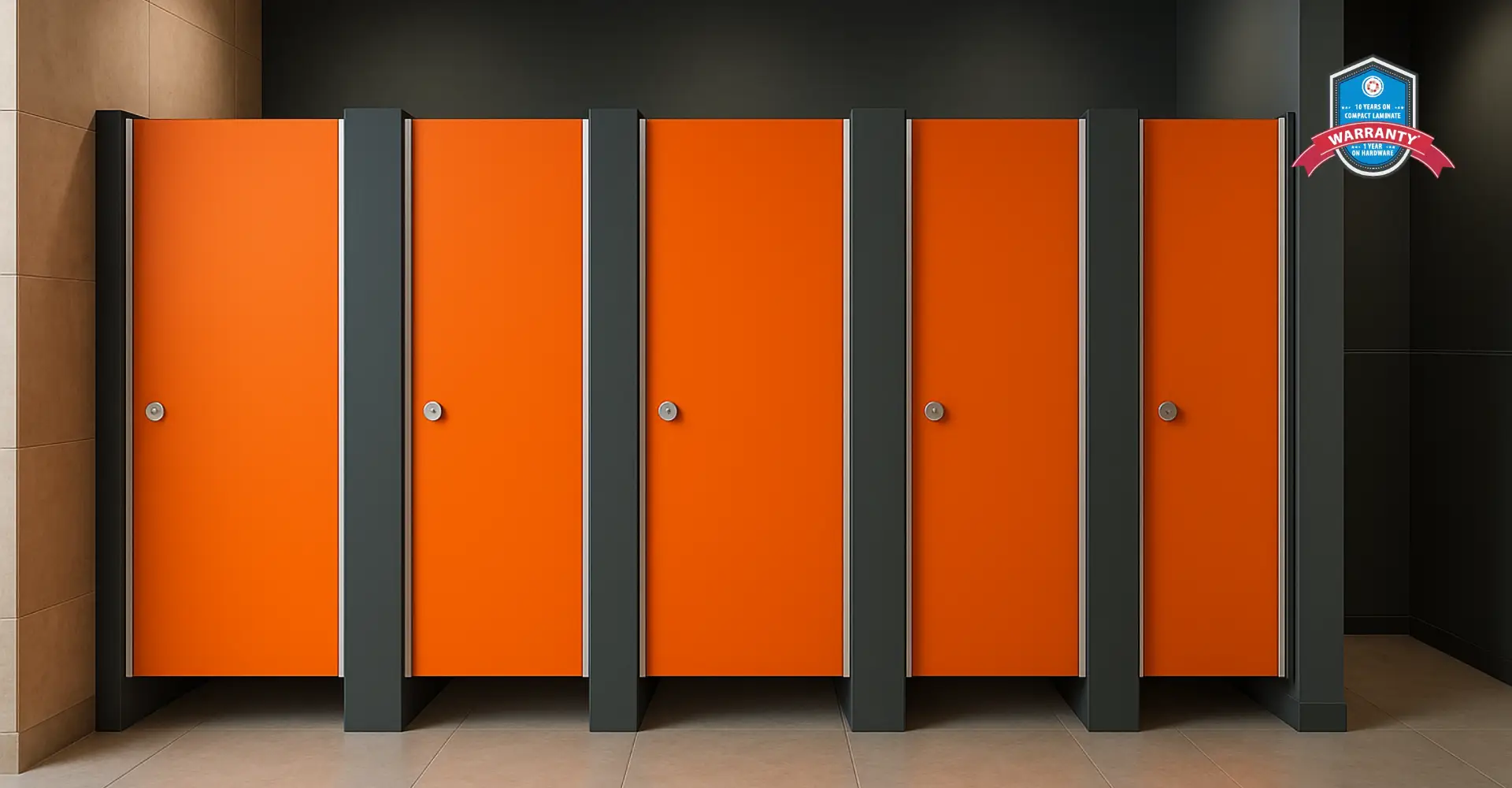
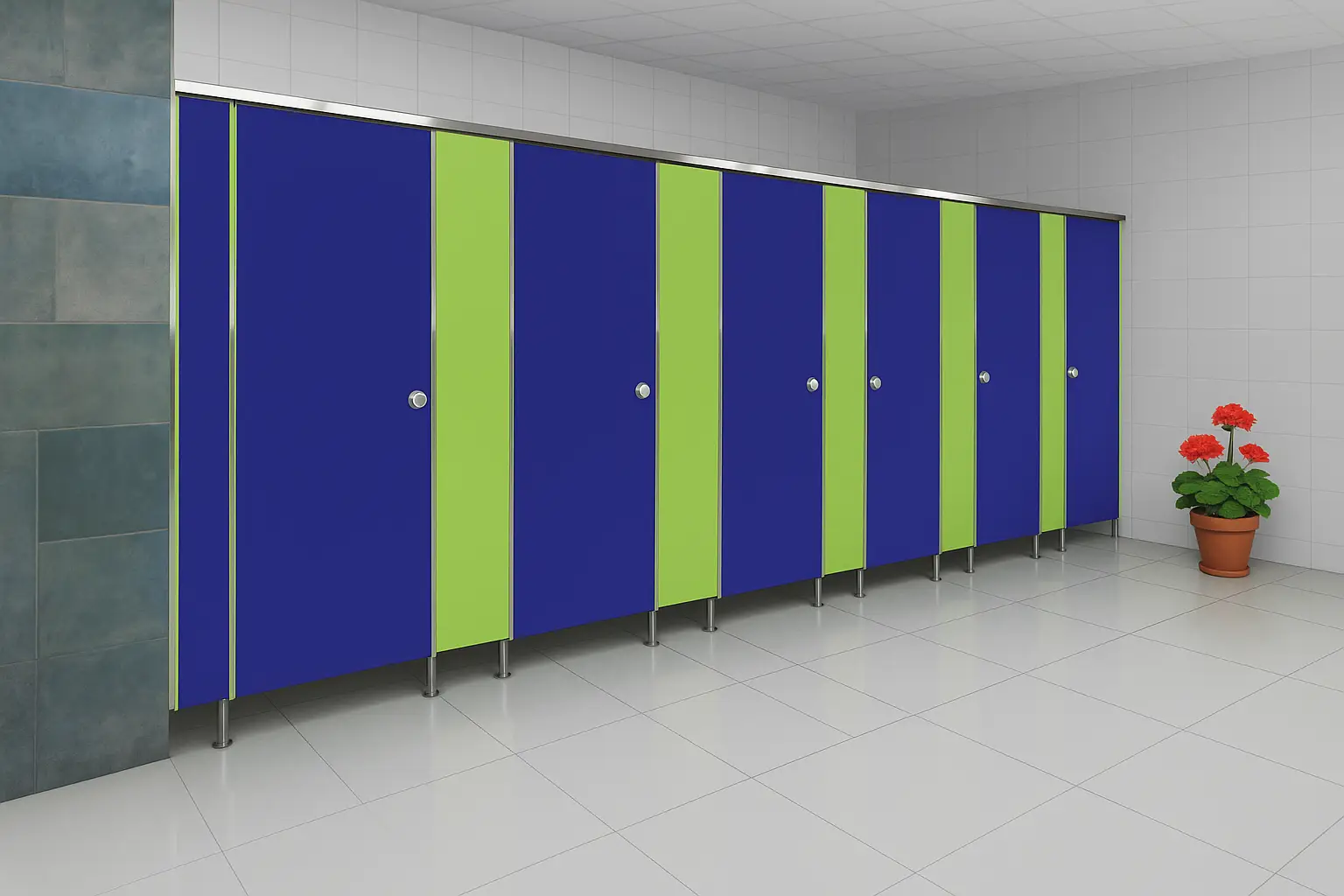
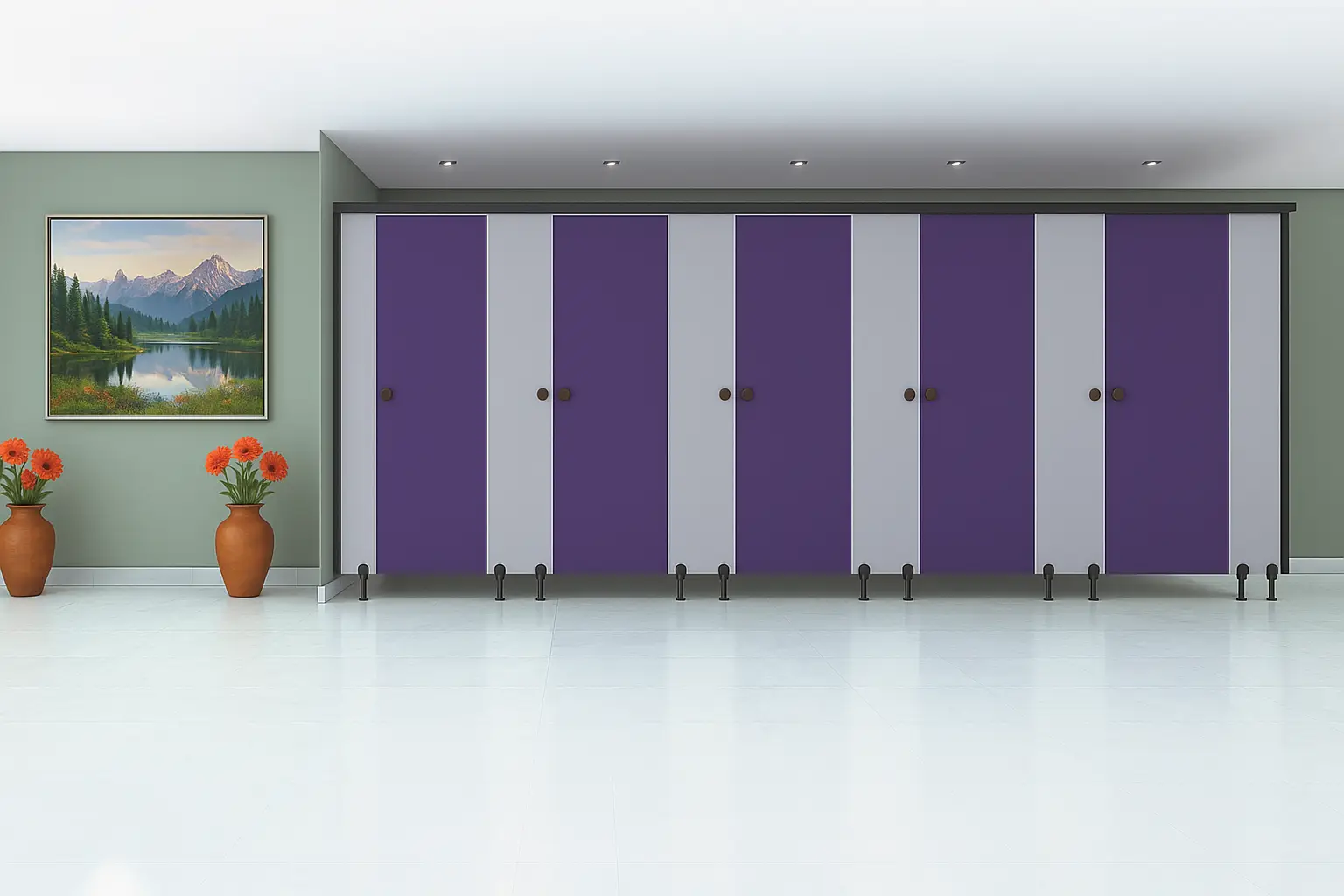
6. Custom Aesthetics & Branding Opportunities
Toilet cubicles are no longer purely functional — they are part of the architectural aesthetic. Expect:
- Custom color palettes
- Branded graphics and patterns
- Integrated signage panels
Manufacturers are providing digital design tools that let clients visualize custom finishes, branding elements, and thematic layouts before production.
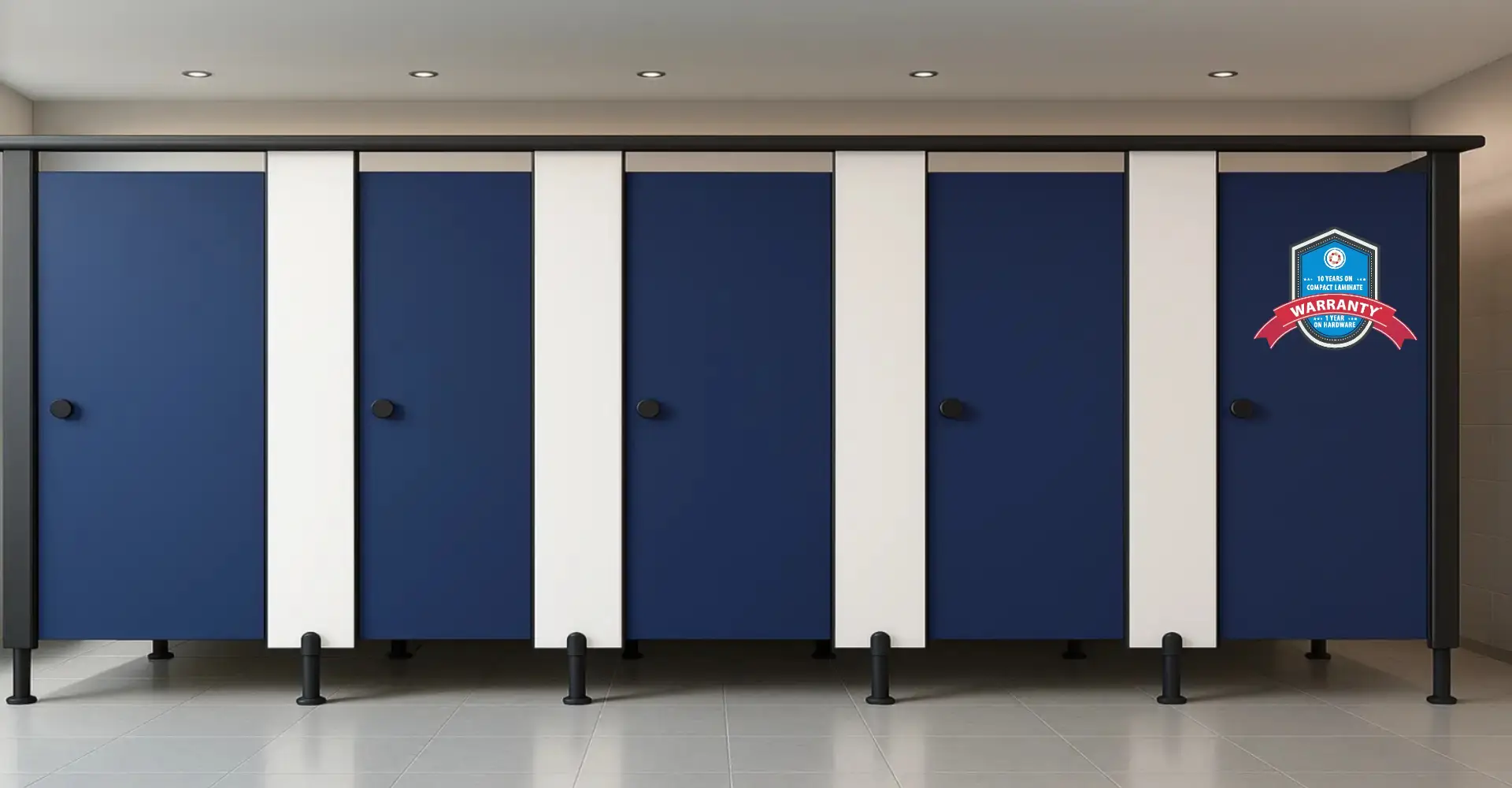
7. Advanced Durability & Impact Resistance
High-traffic environments need partitions that withstand the test of time. The latest developments include:
- Reinforced core panels
- Heavy-duty hardware
- Impact-resistant finishes
- Seamless edge sealing systems
These features dramatically increase partition lifespan and reduce lifecycle costs, especially in airports, stadiums, transit hubs, and commercial complexes.
What This Means for Architects & Facility Managers
These trends are transforming restroom spaces from bland necessities to smart, hygienic, sustainable, and user-centric environments. By embracing emerging materials, technology, and inclusive design, stakeholders can:
Improve occupant satisfaction
Reduce maintenance costs
Improve sustainability scores
Enhance long-term ROI
Conclusion: Preparing for the Future of Toilet Partitions
As 2026 approaches, toilet cubicle partition manufacturing is evolving at an unprecedented pace — driven by technology, sustainability, hygiene, and design innovation. Whether you are specifying partitions for a corporate campus, educational institution, healthcare facility, or public infrastructure, these trends provide a roadmap for smarter, greener, and more functional washroom environments.
Stay informed, plan ahead, and partner with manufacturers who are innovation-ready for the future.
Want a downloadable PDF or infographic version of this blog?
Just let me know and I’ll prepare it for you!
Additionally, I can provide:
- SEO meta title & description
- Social media snippets
- Email newsletter version